
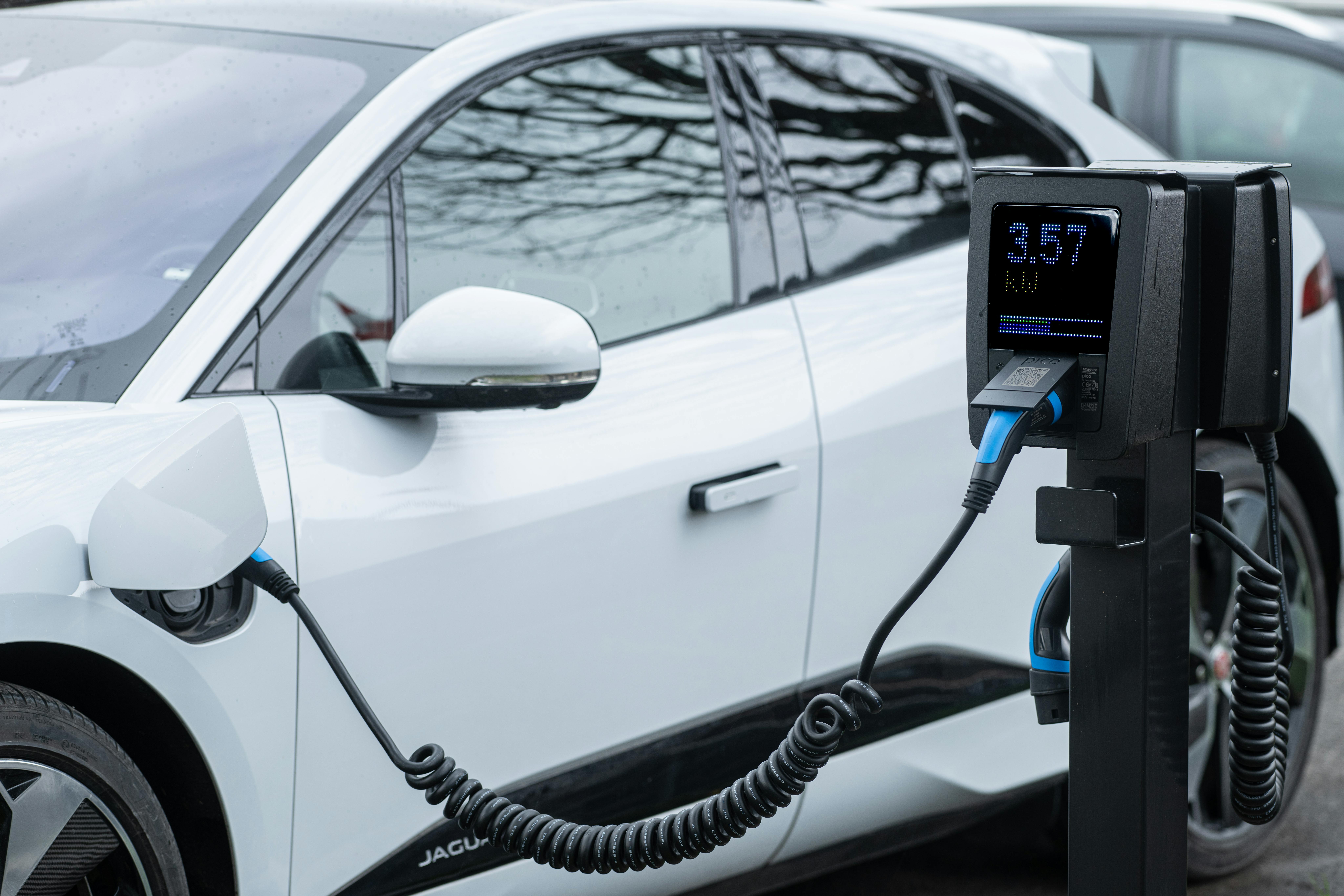
In 2026, Vehicle-to-Grid (V2G) and Vehicle-to-Home (V2H) technologies are transforming EV ownership, offering unprecedented opportunities for energy independence, significant electricity bill savings, and robust home backup power during outages. Discover how your electric vehicle can become a pivotal part of your smart home energy ecosystem, providing a sustainable solution for grid stability and personal financial gain. Explore the best V2G-compatible EVs, bidirectional chargers, and home energy management systems available today.
Introduction to the Topic
Welcome to 2026, where your electric vehicle is more than just transportation; it's a dynamic, indispensable component of your home's energy infrastructure. The buzzwords dominating the EV landscape aren't just about range and charging speed anymore; they're about V2G (Vehicle-to-Grid) and V2H (Vehicle-to-Home) bidirectional charging. This groundbreaking technology allows your EV to not only draw power from the grid but also to send it back, effectively turning your battery on wheels into a mobile energy storage unit. Imagine powering your entire home during a blackout, selling surplus energy back to the grid during peak demand, or optimizing your solar panel output – all thanks to your EV. This isn't future-gazing; it's the present reality, delivering unparalleled energy independence, significant cost savings on electricity bills, and a robust backup power solution that redefines smart living. For consumers with purchasing intent, understanding V2G and V2H is no longer optional; it's essential for maximizing your EV investment and securing your home's energy future.
Backgrounds & Facts
The concept of bidirectional charging has been discussed for years, but 2026 marks a pivotal year for its widespread adoption and technological maturity. At its core, V2G/V2H relies on sophisticated bidirectional chargers that convert the grid's AC power to DC for your EV's battery and then convert the EV's DC power back to AC for your home or the grid. This intricate dance is managed by advanced communication protocols, primarily ISO 15118-20, which has become the industry standard for seamless vehicle-to-everything (V2X) communication.
By 2026, several key factors have converged to make V2G/V2H a mainstream reality. Governments worldwide have introduced substantial incentives, including tax credits for bidirectional chargers and integrated home energy systems, recognizing their role in grid decarbonization and resilience. Utility companies, grappling with increased renewable energy integration and grid modernization, are actively offering favorable tariffs and participation programs for EV owners who engage in V2G services. This includes demand response programs, where your EV can automatically discharge power during peak demand to earn you credits or direct payments.
Moreover, advancements in battery management systems (BMS) have largely alleviated initial concerns about battery degradation. Modern V2G-enabled EVs and chargers employ intelligent algorithms that optimize charging and discharging cycles, ensuring minimal impact on battery longevity while maximizing energy benefits. The average EV battery in 2026 is designed with V2X capabilities in mind, often offering warranties that cover V2G usage. This robust technological framework, coupled with supportive policies and economic incentives, positions bidirectional charging as a cornerstone of the smart energy ecosystem.
Expert Opinion / Analysis
“The impact of V2G and V2H on our energy landscape cannot be overstated,” states Dr. Anya Sharma, lead researcher at the Global Energy Institute. “In 2026, we’re seeing a significant shift from passive energy consumption to active energy management. EVs are no longer just carbon-neutral transportation; they are becoming crucial, distributed energy resources that enhance grid stability, accelerate renewable energy adoption, and provide unprecedented energy security for homeowners.”
Dr. Sharma emphasizes the economic advantages: “For the average homeowner, V2G/V2H translates directly into tangible savings. By strategically charging when electricity is cheap (e.g., overnight or during periods of high solar generation) and discharging when prices are high, EV owners can significantly reduce their monthly utility bills. Furthermore, the ability to power your home during an outage, perhaps for days, offers invaluable peace of mind, especially in regions prone to extreme weather events. The initial investment in a bidirectional charger and a compatible EV is quickly offset by these long-term financial and resilience benefits.”
While the benefits are clear, some challenges remain. “Compatibility across all EV models and charger brands is improving rapidly, but it’s still something consumers need to verify,” Dr. Sharma advises. “However, the industry is moving towards greater standardization. Another common concern is battery degradation, but sophisticated BMS and V2G-optimized charging strategies have largely mitigated this. Most manufacturers now provide clear guidelines and warranties that encompass bidirectional usage, ensuring your investment is protected.” The market trend indicates a rapid expansion, with nearly all new EV models launched post-2025 expected to feature V2G/V2H readiness, making it a standard expectation rather than a premium feature.
💰 Best Options in Comparison (VERY IMPORTANT)
Choosing the right V2G/V2H setup involves selecting a compatible EV, a robust bidirectional charger, and potentially an integrated home energy management system (HEMS). Here’s a breakdown of the top options for 2026, designed to help you make an informed purchasing decision and maximize your savings.
Top V2G/V2H Compatible EVs (2026 Models)
- Ford F-150 Lightning (Pro Power Onboard & Ford Charge Station Pro): Still a market leader for V2H, offering up to 9.6 kW of power to your home. Its seamless integration with the Ford Charge Station Pro and Home Integration System makes it incredibly user-friendly for whole-home backup. Ideal for those needing significant backup power and a versatile truck.
- Hyundai Ioniq 7 / Kia EV9 (V2L & V2G Enhanced): Building on their Vehicle-to-Load (V2L) success, Hyundai and Kia's latest E-GMP platform models in 2026 now natively support full V2G capabilities with compatible chargers. Expect up to 11 kW output, making them excellent choices for both grid services and home energy management. Perfect for SUV/Crossover buyers prioritizing efficiency and smart features.
- Nissan Ariya / Leaf (e-POWER V2G): Nissan, a pioneer in V2G, continues to offer robust solutions. The 2026 Ariya and Leaf models are fully V2G-enabled, often bundling with specific bidirectional chargers from partners. They are known for reliable integration and competitive pricing, appealing to those seeking proven technology.
- Tesla Cybertruck / Model 3/Y (Powerwall Integration - V2H): While Tesla has been slower to officially embrace V2G for grid services, the 2026 Cybertruck and updated Model 3/Y models offer enhanced Powerwall integration for V2H. This allows your EV to charge your Powerwall during off-peak hours and provide home backup, though direct V2G to the grid is still primarily managed through the Powerwall system. Best for existing Tesla ecosystem users.
Leading Bidirectional Chargers & Home Energy Systems (2026)
- Wallbox Quasar 2: A standout for its sleek design and advanced features. The Quasar 2 offers up to 11.5 kW of V2H and V2G power, smart home integration, and intuitive app control. It's compatible with a wide range of CCS-enabled EVs and is highly recommended for tech-savvy users seeking a premium solution.
- Enphase IQ EV Charger (Bidirectional): For homes with existing Enphase solar and battery systems, their 2026 bidirectional EV charger offers unparalleled integration. It intelligently manages energy flow between your solar panels, Enphase battery, EV, and the grid, optimizing for self-consumption and grid arbitrage. Ideal for maximizing solar investment.
- ChargePoint Home Flex V2G: ChargePoint's latest iteration of their popular Home Flex charger now includes full V2G capabilities. Known for its reliability and extensive network, this charger offers robust performance (up to 9.6 kW) and strong utility program compatibility. A great choice for those valuing a trusted brand and broad EV compatibility.
- Delta V2X Charger (Smart Grid Ready): Delta's industrial-grade V2X chargers are increasingly available for residential use. They offer high power output (up to 15 kW) and advanced smart grid features, making them suitable for larger homes or those looking to maximize their participation in grid services.
Here's a comparison table to help you weigh your options:
| Product/Service | Key Feature | V2G/V2H Type | Max Power (kW) | Est. Cost (2026, Charger/System) | Best For |
|---|---|---|---|---|---|
| Ford F-150 Lightning + Charge Station Pro | Integrated whole-home backup | V2H (Grid Ready) | 9.6 | ~$5,000 (charger + HEMS) | Truck owners, significant backup needs |
| Hyundai Ioniq 7 / Kia EV9 | Native V2G/V2H via E-GMP | V2G & V2H | 11 | ~$4,000 (compatible charger) | Crossover/SUV buyers, full V2G utility |
| Wallbox Quasar 2 | Premium design, broad CCS compatibility | V2G & V2H | 11.5 | ~$6,000 (unit only) | Tech enthusiasts, aesthetic-conscious |
| Enphase IQ EV Charger (Bidirectional) | Seamless Enphase solar/battery integration | V2G & V2H | 9.6 | ~$5,500 (unit only) | Existing Enphase solar/storage users |
| ChargePoint Home Flex V2G | Trusted brand, utility program ready | V2G & V2H | 9.6 | ~$4,800 (unit only) | Reliability, broad compatibility |
Note: Prices are estimates for 2026 and do not include installation costs, which can vary significantly. Always consult with certified installers and check for local incentives.
Outlook & Trends
The trajectory for V2G and V2H in the coming years is nothing short of revolutionary. By the end of the decade, expect bidirectional charging to be a standard feature in nearly all new EVs and a fundamental component of smart home ecosystems. Key trends emerging in 2026 and beyond include:
- Dynamic Energy Trading & AI Optimization: Future systems will leverage AI to predict energy prices, weather patterns, and home consumption, autonomously optimizing when your EV charges or discharges for maximum financial gain and grid benefit. Peer-to-peer energy trading platforms will allow EV owners to directly buy and sell energy to neighbors.
- Enhanced Grid Services: EVs will play an even more critical role in providing ancillary services to the grid, such as frequency regulation and voltage support, becoming truly active participants in grid management rather than just passive consumers.
- Standardization and Interoperability: While significant progress has been made, further standardization efforts (e.g., across AC charging and DC fast charging V2G) will ensure seamless compatibility between all EVs and charging infrastructure, simplifying the user experience and accelerating adoption.
- Real Estate Value Integration: Homes equipped with V2G/V2H infrastructure, solar panels, and integrated energy management systems will command a premium, as energy independence and resilience become highly desirable features for homebuyers.
- Expansion of Utility Programs: Expect more innovative and lucrative utility programs, including direct financial compensation for V2G participation, making the economic case for bidirectional charging even stronger.
The future sees your EV as the central battery of your home, intelligently managing energy flows, saving you money, and contributing to a more resilient, sustainable energy grid.
Conclusion
In 2026, the era of your EV as a personal power plant has truly arrived. Vehicle-to-Grid and Vehicle-to-Home technologies are not just theoretical concepts; they are practical, money-saving, and life-enhancing solutions available to consumers today. By intelligently integrating your electric vehicle into your home's energy ecosystem, you gain unprecedented energy independence, significantly reduce your electricity bills, and secure reliable backup power during unexpected outages. The blend of cutting-edge EV models, advanced bidirectional chargers, and smart home energy management systems creates a powerful synergy that benefits both your wallet and the planet.
Whether you're comparing the robust V2H capabilities of a Ford F-150 Lightning, the full V2G potential of a Hyundai Ioniq 7, or the seamless integration of a Wallbox Quasar 2 charger with your existing setup, the options for transforming your EV ownership are abundant. We encourage you to explore these technologies, consult with certified installers, and take advantage of the growing array of incentives and utility programs. The future of energy is distributed, smart, and powered by your EV. Don't just drive electric; empower your home with it!