
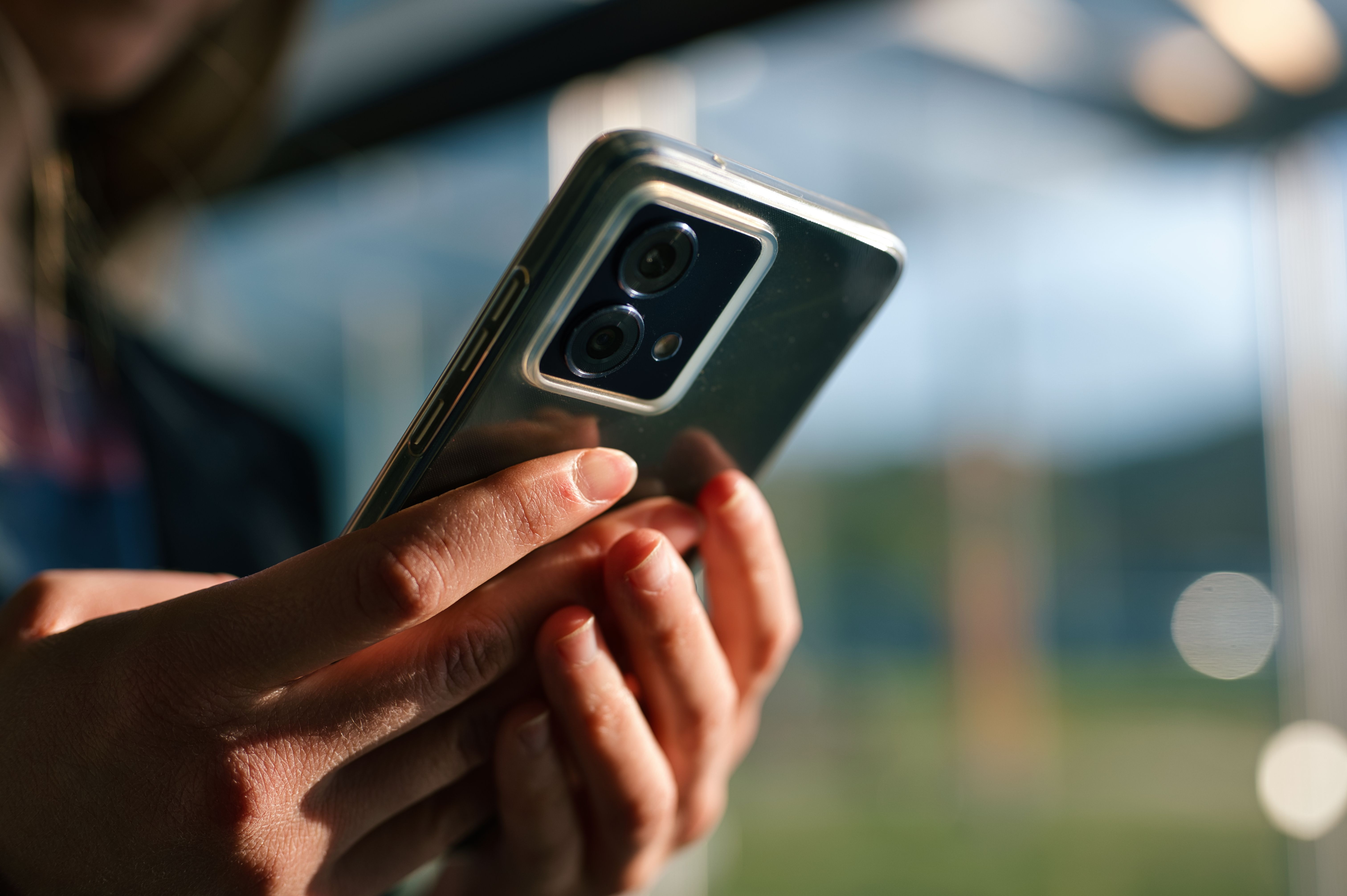
The smartphone landscape has been revolutionized in 2026. Discover how AI-powered XR smartphones are redefining connectivity, productivity, and entertainment. This comprehensive guide helps you compare the best AI phones, understand spatial computing, and choose your next digital companion for unparalleled immersive experiences and smart assistance. Optimize your upgrade with our expert comparison and purchasing advice on the leading flagship models.
Introduction to the Topic
Welcome to 2026, where your smartphone is no longer just a communication device—it's your most powerful AI-driven companion, a window into spatial computing, and your gateway to extended reality (XR). The lines between the digital and physical worlds have blurred, and the latest generation of AI-powered XR smartphones stands at the forefront of this revolution. Forget mere apps; think intelligent agents, holographic interfaces, and seamless augmented reality (AR) experiences that adapt to your every need. This year, the decision to upgrade isn't just about a faster chip or a better camera; it's about embracing a paradigm shift in how we interact with technology and the world around us. Are you ready to dive into the future?
Backgrounds & Facts
The journey to 2026's AI-powered XR smartphones has been a rapid evolution. For years, mobile processors have steadily gained power, but the true breakthrough came with dedicated Neural Processing Units (NPUs) and AI co-processors, which by now are standard in every flagship device. These specialized silicon units allow for on-device AI computations at unprecedented speeds and efficiency, enabling real-time language translation, predictive assistance, and hyper-personalized user experiences without relying solely on cloud processing. This shift has also dramatically enhanced privacy, as more data processing happens locally.
Simultaneously, the advancements in display technology have been astounding. While foldable and rollable screens have matured, offering expansive canvases for work and play, 2026 sees the emergence of micro-LED and even rudimentary holographic displays that offer stunning clarity and depth for AR and XR applications. Coupled with high-refresh-rate panels and advanced eye-tracking sensors, these devices deliver truly immersive visual experiences that were once confined to science fiction.
Connectivity has also reached new heights. With 5G Advanced (5G-A) now widely deployed, delivering multi-gigabit speeds and ultra-low latency, and Wi-Fi 7 becoming the norm, the bandwidth is finally available to support complex XR environments and instant cloud-AI interactions. This robust infrastructure is critical for rendering detailed AR overlays, streaming high-fidelity VR content, and connecting seamlessly with the growing ecosystem of smart devices and spatial computing platforms. The integration of advanced haptic feedback systems further blurs the line, allowing users to 'feel' digital objects and interactions with incredible realism.
Expert Opinion / Analysis
“The 2026 smartphone isn't just a gadget; it's an extension of your senses, a personalized AI concierge that understands context and intent like never before,” says Dr. Anya Sharma, lead analyst at FutureTech Insights. “We're seeing a fundamental shift from human-to-device interaction to a more symbiotic human-AI partnership. Your phone proactively manages your schedule, optimizes your health, and even helps you learn new skills by overlaying interactive guides onto the real world.”
The impact on productivity is immense. Imagine walking into a meeting and your phone instantly displaying relevant data points as AR overlays on the faces of your colleagues (visible only to you), or instantly translating a foreign language conversation in real-time, displaying subtitles directly in your line of sight. For entertainment, gaming has been completely reimagined, moving beyond flat screens into interactive, spatial environments that react to your physical movements and surroundings.
However, this surge in capability also brings new challenges. “The ethical considerations around hyper-personalization and data privacy are paramount,” warns Professor Mark Jensen, a leading ethicist in AI. “While on-device AI mitigates some cloud-based risks, the sheer volume of personal data these devices process—from biometric scans to real-time environmental data—requires robust security protocols and transparent user controls. Manufacturers are investing heavily in 'privacy-by-design' features, offering granular control over data sharing and local encryption, but users must remain vigilant.” The industry is also grappling with digital well-being, developing features that promote mindful usage of these increasingly immersive devices, ensuring they enhance, rather than detract from, real-world interactions.
💰 Best Options in Comparison (VERY IMPORTANT)
Choosing the right AI-powered XR smartphone in 2026 means balancing cutting-edge features with your personal needs and budget. Here are three leading contenders that represent the pinnacle of mobile innovation this year:
-
Apex Vision Pro 2
The Apex Vision Pro 2 is the undisputed champion for seamless integration and premium XR experiences. Powered by its proprietary A18 Bionic Fusion chip with an unparalleled 24-core NPU, it delivers buttery-smooth AR rendering and complex AI computations. Its micro-LED 'Infinity Display' offers stunning clarity and a true-to-life color gamut, making virtual objects indistinguishable from reality. The Vision Pro 2 excels in its intuitive spatial operating system, allowing users to interact with digital content using advanced gesture controls and precise eye-tracking. Its privacy features, including on-device differential privacy for AI models, are considered best-in-class.
-
Galaxy Z-Fold Ultra 6
Samsung's Galaxy Z-Fold Ultra 6 pushes the boundaries of form factor and versatility. Featuring a revolutionary 'Dynamic Flex-Roll' display that expands from a compact phone to a tablet-sized canvas, it's a productivity powerhouse. Its Snapdragon Gen 5 AI processor, co-developed with Google, drives its advanced multi-modal AI assistant and a quad-camera system with 200MP main sensor and AI-enhanced computational photography that captures breathtaking spatial photos and videos. The Z-Fold Ultra 6 offers unparalleled customization and deep integration with Samsung's SmartThings ecosystem, making it ideal for the connected home and enterprise user.
-
Pixel Aura 4
The Pixel Aura 4 continues Google's legacy of software-first innovation, focusing on the most intelligent and user-friendly AI experience. Its Tensor G5 chip is optimized for on-device machine learning, powering features like real-time 'Contextual Companion' that anticipates your needs, and 'Hyper-Translate' for instant, natural-sounding conversations in any language. The Aura 4's camera system, while not boasting the highest megapixel count, leverages Google's unparalleled computational photography and AI to produce stunning images and videos, including advanced low-light XR capture. It's the go-to choice for those prioritizing an intelligent, intuitive, and secure Android experience with unparalleled AI capabilities.
Also integrate a clear HTML table comparing the key points, tools, or alternatives.
| Feature | Apex Vision Pro 2 | Galaxy Z-Fold Ultra 6 | Pixel Aura 4 |
|---|---|---|---|
| AI Processor | A18 Bionic Fusion (24-core NPU) | Snapdragon Gen 5 AI (Co-developed) | Tensor G5 (Google Optimized ML) |
| XR Capabilities | Premium, Seamless Spatial OS, Gesture/Eye Tracking | Advanced AR/VR, Multi-modal AI Interactions | Intelligent AR Overlays, Contextual AI |
| Display Technology | Micro-LED Infinity Display | Dynamic Flex-Roll (Foldable/Rollable) | OLED Quantum Dot (High Refresh) |
| Camera System | Triple 64MP (Spatial Capture, ProRAW) | Quad 200MP Main (AI Zoom, Spatial Video) | Dual 50MP (Computational Photography King) |
| Battery Life | Excellent (AI-optimized power management) | Very Good (Intelligent power sharing) | Good (Adaptive battery, ML optimization) |
| Unique Selling Points | Ecosystem Integration, Privacy, Intuitive XR | Form Factor Innovation, Productivity, Customization | Pure AI Experience, Photography, Software Intelligence |
| Starting Price (Est. 2026) | $1399 | $1599 | $999 |
Outlook & Trends
Looking beyond 2026, the trajectory of AI-powered XR smartphones points towards even deeper integration with our lives and surroundings. We can expect further miniaturization of components, leading to lighter, more powerful devices that are virtually imperceptible. Holographic displays will evolve from nascent stages to full-fledged, interactive projections, eliminating the need for physical screens in many scenarios. The convergence with smart wearables, such as advanced AR glasses and neural interface bands, will create a truly seamless digital fabric around us, making the smartphone itself a central processing hub rather than the sole interface.
Sustainability will also become a dominant trend. Manufacturers are already exploring modular designs, self-healing materials, and advanced recycling programs. Future phones might even feature integrated energy harvesting technologies, reducing reliance on traditional charging. Furthermore, the evolution of on-device AI will lead to hyper-personalized digital twins that learn and adapt to our needs across all our devices, offering predictive assistance that feels almost clairvoyant, while maintaining robust privacy safeguards through federated learning and zero-knowledge proofs. The goal is a truly proactive, intuitive, and environmentally conscious digital companion.
Conclusion
The AI-powered XR smartphone of 2026 is far more than a communication tool; it's a personal supercomputer, an immersive entertainment hub, and an indispensable productivity partner. With dedicated AI processors, advanced spatial computing capabilities, and revolutionary display technologies, these devices are setting new benchmarks for what's possible in mobile technology. Whether you prioritize seamless ecosystem integration, groundbreaking form factors, or unparalleled AI intelligence, there's a flagship model perfectly suited to elevate your digital life.
Before making your purchase, consider your primary use cases: Are you a professional needing ultimate productivity? An enthusiast seeking the most immersive XR experiences? Or someone who values intelligent assistance and photographic excellence above all? Use our comprehensive comparison to weigh the options, explore current deals from carriers and retailers, and invest in the future of mobile. The right AI-powered XR smartphone won't just keep you connected; it will transform how you interact with the world. Upgrade wisely, and unlock the full potential of 2026's most revolutionary tech!