
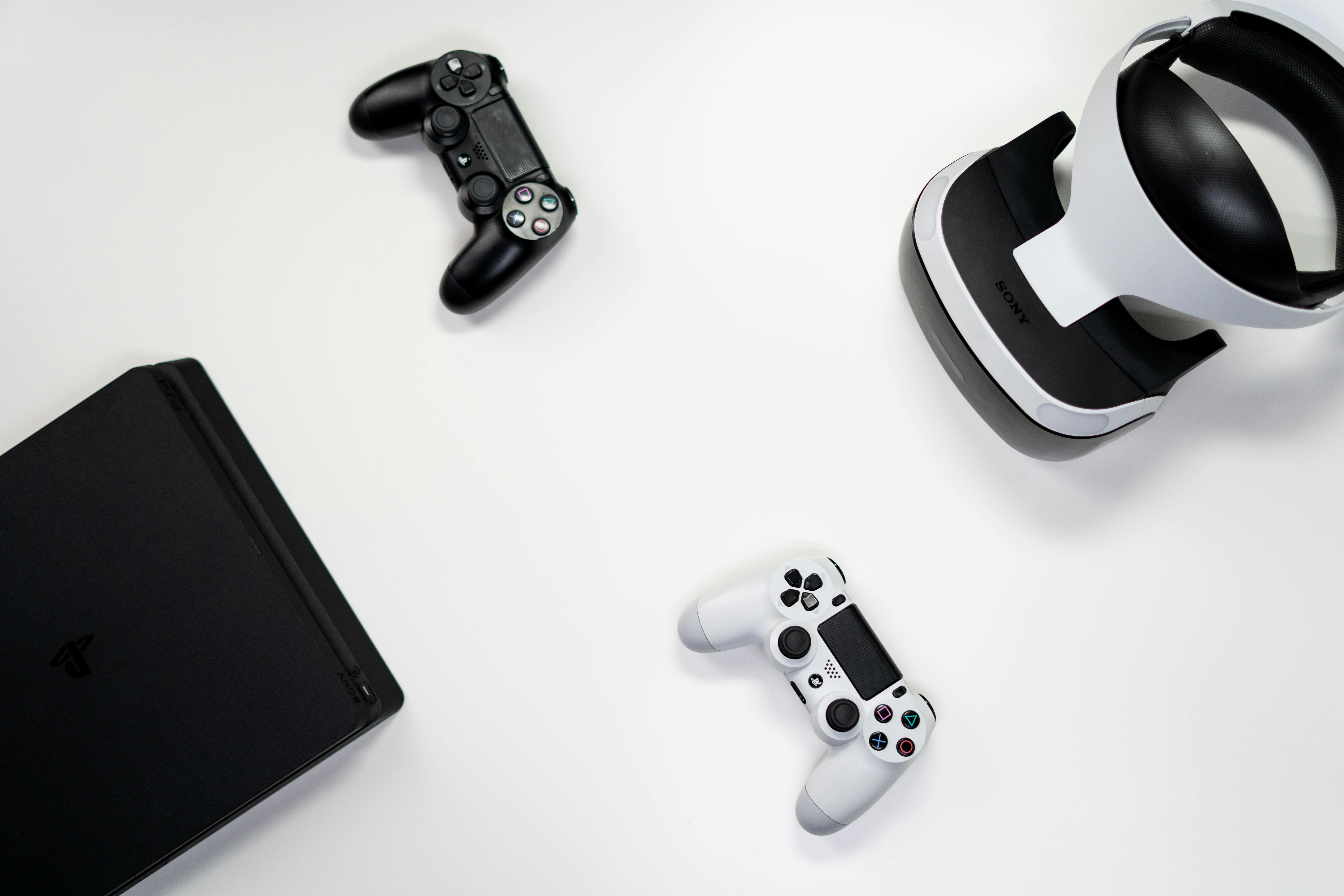
Dive into the future of gaming! In 2026, full-body haptics and advanced XR (Extended Reality) are no longer concepts but tangible realities transforming how we play. Discover the best VR headsets, haptic suits, and immersive technologies to elevate your gaming experience, complete with product comparisons and expert insights for your next big tech purchase.
Introduction to the Topic
The year is 2026, and the gaming landscape has shifted dramatically. Gone are the days of passive interaction, confined to a screen. Today, gamers demand more – a visceral connection, a true sense of presence within virtual worlds. This insatiable hunger for deeper immersion has propelled two revolutionary technologies to the forefront: Extended Reality (XR) and full-body haptic feedback systems. Together, they promise an unparalleled gaming experience, blurring the lines between the digital and physical. Techeology.com is here to guide you through this thrilling new era, helping you understand not just what these technologies are, but why they are essential for any serious gamer, and crucially, which options offer the best value for your investment.
Backgrounds & Facts
The journey to true immersive gaming has been long and fraught with challenges. Early virtual reality (VR) headsets, while groundbreaking, were often plagued by low resolution, narrow fields of view, and motion sickness. Similarly, haptic feedback, once limited to simple controller rumble, struggled to deliver nuanced sensations. However, the last few years have seen exponential advancements. In 2026, high-resolution micro-OLED displays with refresh rates exceeding 144Hz are standard in premium XR headsets, offering crystal-clear visuals and eliminating screen-door effects. Eye-tracking and foveated rendering now optimize processing power, allowing for incredibly detailed environments. Wireless capabilities, powered by Wi-Fi 7 and dedicated low-latency chipsets, have freed players from cumbersome cables, making untethered exploration a reality.
On the haptics front, sophisticated electro-tactile feedback, micro-actuators, and advanced vibrational motors are integrated into full-body suits and peripherals. These systems can simulate everything from the gentle caress of a breeze to the impactful recoil of a weapon or the sensation of being hit. AI-driven haptic engines can analyze in-game audio and visual cues to generate incredibly realistic and context-aware feedback, adapting dynamically to the virtual environment. Market analysis by TechInsights forecasts the XR gaming hardware market to exceed $70 billion by 2027, with haptic accessories seeing a compound annual growth rate (CAGR) of 35% from 2024, underscoring the rapid adoption and consumer demand for these transformative technologies. This isn't just a niche; it's the new frontier of interactive entertainment.
Expert Opinion / Analysis
To truly grasp the impact of these advancements, we consulted Dr. Anya Sharma, lead researcher at ImmersionTech Labs and a pioneer in human-computer interaction. "What we're witnessing in 2026 is a paradigm shift," Dr. Sharma explains. "Previous generations of VR offered visual and auditory immersion, but full-body haptics completes the sensory loop. When you feel the rain on your virtual skin, the impact of a fall, or the vibration of an engine, the brain's suspension of disbelief becomes almost absolute. This isn't just about fun; it's about deeper emotional engagement, enhanced situational awareness in competitive titles, and even therapeutic applications."
Dr. Sharma also highlighted the symbiotic relationship between XR and haptics. "Next-gen XR headsets are not just displays; they are sophisticated computing platforms with integrated sensors for precise tracking and environmental understanding. This data feeds into haptic systems, allowing for incredibly accurate and responsive feedback. The challenge now lies in content creation – game developers must design experiences that leverage these capabilities to their fullest, moving beyond simple 'rumble' effects to truly integrated sensory narratives. The potential for competitive esports, where tactile feedback could provide crucial advantages, is also immense, pushing the boundaries of human reaction and perception."
💰 Best Options in Comparison (VERY IMPORTANT)
Ready to jump into the future? Choosing the right XR headset and full-body haptic system can be daunting given the array of cutting-edge options available in 2026. Whether you're a casual explorer of virtual worlds or a hardcore esports enthusiast seeking every competitive edge, we've curated the top contenders. Our selections focus on performance, immersion, comfort, and value, ensuring your investment delivers the ultimate gaming experience.
Top XR Headsets for 2026:
- Meta Quest Pro 3: The All-in-One Powerhouse
Building on its predecessors' success, the Quest Pro 3 (available for approximately $1299 USD) is Meta's flagship standalone XR device. It boasts dual 4K micro-OLED displays, a 120-degree field of view, and a new 'Reality Fusion' chip enabling seamless mixed reality experiences with photo-realistic passthrough. Its self-tracking controllers offer advanced haptic feedback, and the headset features integrated eye and face tracking for realistic avatar expressions and foveated rendering. Perfect for those seeking untethered freedom and a vast content library. - Sony PlayStation VR3 (PSVR3): Console Immersion Redefined
Designed exclusively for the PlayStation 6, the PSVR3 ($899 USD) delivers unparalleled console-based VR. Featuring a stunning 8K-equivalent display (4K per eye), advanced haptic Sense controllers, and a wider FOV, it's optimized for Sony's first-party immersive titles. Its simplified setup and deep integration with the PS6 ecosystem make it a go-to for console gamers craving premium VR experiences without the PC hardware overhead. - Valve Index 2: The PC VR Enthusiast's Dream
For the ultimate PC VR experience, the Valve Index 2 ($1599 USD for full kit) remains the gold standard. With its industry-leading 160-degree FOV, dual QLED panels pushing 160Hz refresh rates, and highly customizable 'Knuckles 2' controllers offering advanced finger tracking and haptics, it provides unmatched fidelity and precision. While requiring a powerful gaming PC, its open ecosystem and modding community offer endless possibilities for true enthusiasts. - Apple Vision Pro 2: Premium Mixed Reality for the Discerning Gamer
Apple's second-generation Vision Pro 2 ($3999 USD) pushes the boundaries of mixed reality. While its primary focus remains productivity and content creation, its unparalleled display quality (dual 4.5K micro-OLED), spatial audio, and integration with the Apple Arcade and emerging "spatial games" make it a compelling, albeit premium, option for gamers who demand the absolute best visual fidelity and a seamless ecosystem experience.
Leading Full-Body Haptic Systems for 2026:
- bHaptics TactSuit X50: Enhanced Immersion for Every Game
The evolution of bHaptics' popular vests, the TactSuit X50 ($499 USD) features 50 individually controllable haptic points across the torso, arms, and optional accessories (sleeves, face cushion, feet). Its broad compatibility with PC VR, standalone VR, and even some console titles (via audio-to-haptics) makes it a versatile choice. The X50 offers precise, directional feedback for gunshots, impacts, environmental effects, and even footsteps, dramatically enhancing situational awareness. - Teslasuit Elite: Professional-Grade Full-Body Feedback
The Teslasuit Elite ($4999 USD) is a comprehensive haptic solution designed for professional training and the most dedicated gamers. This full-body suit incorporates electro-tactile sensations for simulating temperature, pressure, and impact across hundreds of points. It includes motion capture, biometrics, and a robust SDK for deep integration. While a significant investment, the Teslasuit Elite offers the most nuanced and realistic full-body haptic experience available, pushing the boundaries of what's possible. - Owo Haptic Gaming System 2.0: Targeted & Intense Sensations
The Owo Haptic Gaming System 2.0 ($799 USD for vest + arm sleeves) focuses on delivering intensely realistic and localized sensations. Using proprietary "sensations" technology, it can simulate specific feelings like insect bites, gut punches, or even the feeling of a bullet entering your body (safely, of course!). Its unique approach to haptic feedback offers a distinct level of immersion, designed to make you truly feel the game.
To help you make an informed decision, here's a comprehensive comparison table:
| Product | Type | Key Features | Display (per eye) / Haptic Points | FOV / Coverage | Price (Approx. USD) | Best For |
|---|---|---|---|---|---|---|
| Meta Quest Pro 3 | Standalone XR Headset | Wireless freedom, Reality Fusion MR, self-tracking controllers, eye/face tracking. | 4K Micro-OLED | 120° FOV | $1,299 | Untethered VR/MR, vast content library, social gaming. |
| Sony PlayStation VR3 | Console VR Headset | PS6 exclusive, haptic Sense controllers, easy setup, optimized for first-party titles. | 4K OLED | ~115° FOV | $899 | Console gamers, seamless PS6 integration, cinematic immersion. |
| Valve Index 2 | PC VR Headset | Industry-leading FOV, high refresh rate, advanced Knuckles 2 controllers, open ecosystem. | QLED (160Hz) | 160° FOV | $1,599 | PC VR enthusiasts, modding, competitive precision, ultimate fidelity. |
| Apple Vision Pro 2 | Premium MR Headset | Unparalleled visual fidelity, spatial audio, seamless Apple ecosystem, high-res passthrough. | 4.5K Micro-OLED | ~100° FOV | $3,999 | Discerning gamers, MR developers, integrated Apple users, visual perfection. |
| bHaptics TactSuit X50 | Haptic Vest System | 50 haptic points, directional feedback, broad compatibility (PCVR, Standalone, Console via audio). | N/A (Haptics) | Torso, arms, optional accessories. | $499 | Versatile immersion, enhanced situational awareness, value for money. |
| Teslasuit Elite | Full-Body Haptic Suit | Electro-tactile sensations, temperature/pressure simulation, motion capture, biometrics. | N/A (Haptics) | Full body coverage (hundreds of points). | $4,999 | Professional training, ultimate realistic immersion, deep developer integration. |
| Owo Haptic Gaming System 2.0 | Haptic Vest System | Proprietary 'sensations' tech, intense localized feedback (e.g., bullet hits, insect bites). | N/A (Haptics) | Torso, arm sleeves. | $799 | Unique sensory experiences, visceral gaming, targeted immersive feedback. |
When making your choice, consider your primary gaming platform (PC, Console, Standalone), your budget, and the level of immersion you seek. For a truly transformative experience, pairing a high-end XR headset with a compatible haptic suit is highly recommended.
Outlook & Trends
The trajectory for XR and haptic gaming in the coming years is nothing short of revolutionary. We anticipate even greater integration of AI, not just in rendering and haptic feedback generation, but in dynamically adapting game worlds to player actions and biometric responses. Imagine haptics that adjust based on your heart rate, or environments that subtly shift to enhance immersion. Cloud XR streaming will become mainstream, enabling high-fidelity experiences on less powerful local hardware, democratizing access to premium gaming. We'll see further miniaturization of haptic actuators, leading to more comfortable and less intrusive wearables, perhaps even integrated into standard gaming apparel. The "metaverse" concept, while still evolving, will increasingly rely on these technologies to create truly persistent, shared, and sensory-rich digital spaces. Standardization efforts will also simplify compatibility across different hardware and content platforms, fostering a more cohesive ecosystem.
Conclusion
In 2026, the promise of true gaming immersion has finally been realized, thanks to the explosive growth of Extended Reality and full-body haptic technologies. From feeling the subtle vibrations of a distant explosion to experiencing the texture of a virtual surface, these innovations are fundamentally changing how we interact with and perceive digital worlds. The options available today offer unprecedented depth and realism, catering to every budget and preference. It's no longer about merely playing a game; it's about stepping into it, becoming part of its fabric. If you're looking to upgrade your gaming setup, investing in next-gen XR and haptics isn't just buying new gear – it's investing in the future of entertainment. Don't just play the game; live it. Explore our recommended options and embark on your most immersive gaming journey yet!