
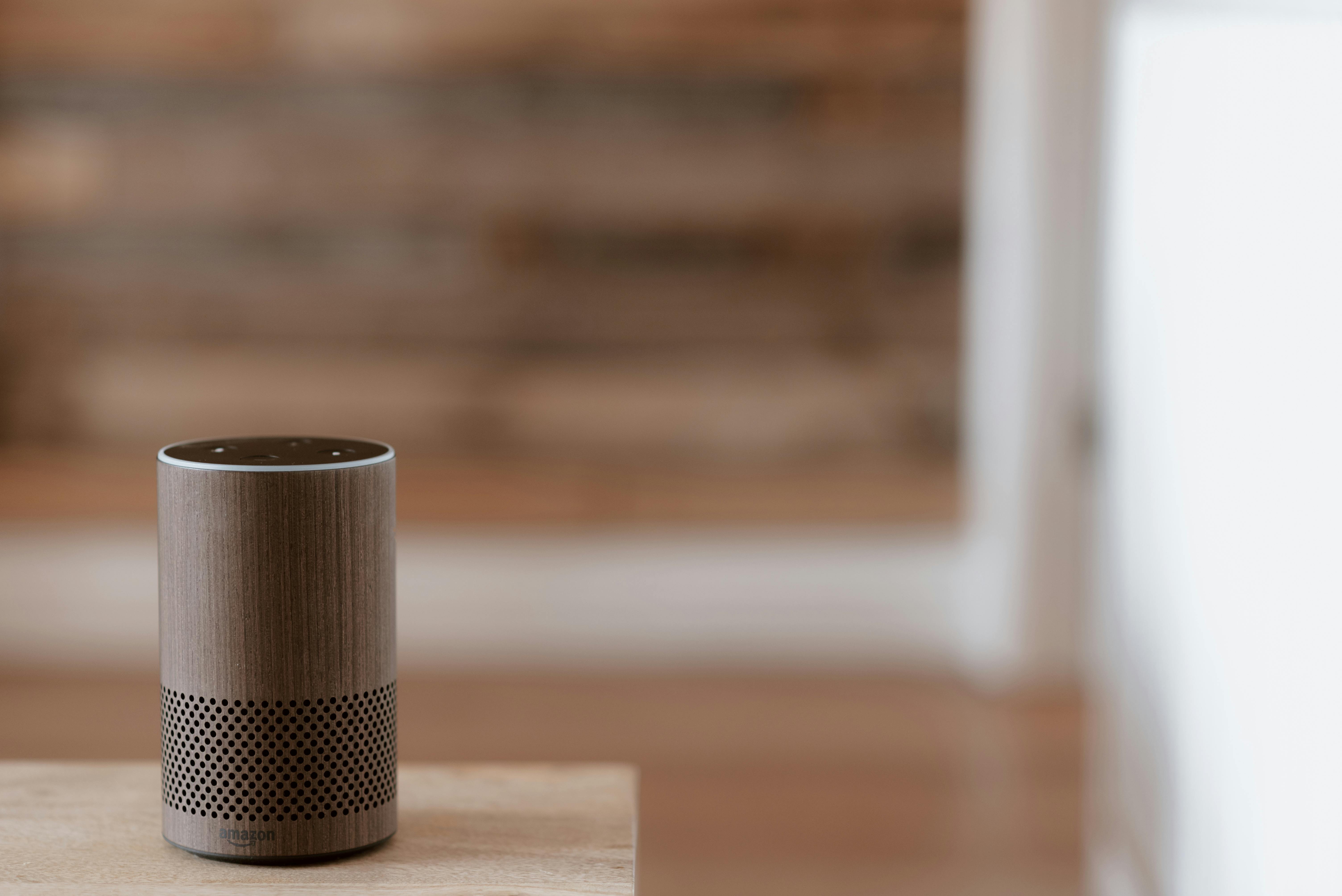
The future is here! In 2026, AI-powered smart home hubs are transforming houses into truly intelligent, personalized sanctuaries. Discover how advanced machine learning, seamless Matter 2.0 integration, and predictive automation are enhancing security, maximizing energy efficiency, and delivering unparalleled convenience. We compare the best smart home ecosystems and devices, helping you choose the ultimate AI hub for your personalized smart home experience and unlock massive savings.
Introduction to the Topic
Welcome to 2026, where the smart home isn't just a collection of connected gadgets; it's a living, breathing entity that anticipates your needs, protects your loved ones, and optimizes your environment with unprecedented intelligence. For years, the promise of a truly 'smart' home felt perpetually out of reach, often hindered by fragmented ecosystems, complex setups, and a frustrating lack of genuine personalization. Devices might have been 'smart,' but the home itself often felt... dumb. That era is definitively over.
Today, the convergence of sophisticated Artificial Intelligence (AI), robust machine learning algorithms, and the widespread adoption of the Matter 2.0 standard has birthed a new generation of smart home hubs. These aren't just central controllers; they are the brains of your home, learning your habits, adapting to your lifestyle, and making proactive decisions that enhance comfort, bolster security, and significantly reduce your energy footprint. From adjusting lighting based on your mood and time of day to preemptively locking doors when you leave, these AI-powered hubs are not just automating tasks—they are personalizing your entire living experience. This guide will dive deep into this transformative technology, helping you navigate the options and invest in a future where your home truly works for you.
Backgrounds & Facts
The journey to the truly intelligent home has been a fascinating evolution. Early smart homes, a decade ago, relied on simple IF-THEN rules: if motion is detected, then turn on the light. While revolutionary at the time, this reactive approach lacked nuance. The mid-2020s saw a significant leap with the introduction of more powerful voice assistants and basic routines, but interoperability remained a major hurdle, leading to 'smart home fatigue' for many users.
The game-changer in 2026 has been two-fold: the maturation of consumer-grade AI and the triumph of Matter 2.0. AI, no longer confined to data centers, now runs efficiently on dedicated chips within our smart home hubs. These AI engines continuously analyze vast amounts of data – your daily routines, environmental sensors, weather patterns, energy consumption, and even your interactions with devices. This data allows for deep learning, enabling the hub to predict your preferences, identify anomalies, and optimize system performance without explicit instructions. For instance, your home might learn you prefer a cooler temperature for sleep and gradually lower it starting 30 minutes before your usual bedtime, or detect an unusual pattern in your energy usage and alert you to a potential appliance malfunction.
Complementing AI's rise is Matter 2.0, which has finally delivered on the promise of universal interoperability. With virtually all new smart devices now supporting Matter 2.0, the days of worrying if your new smart lock will talk to your thermostat are gone. This seamless communication across brands and ecosystems fuels the AI, providing a richer data set and enabling more complex, holistic automations. The market for smart home devices is projected to exceed $200 billion by 2027, with AI-driven personalization being the primary growth driver. Users are demanding not just convenience, but intelligence that adapts to their unique lives, and these 2026 AI hubs are delivering exactly that.
Expert Opinion / Analysis
“The shift we’re seeing in 2026 isn’t just incremental; it’s foundational,” explains Dr. Evelyn Reed, lead AI architect at Synapse Innovations and a frequent contributor to techeology.com. “Previously, smart homes were about automating tasks. Now, with advanced AI, they’re about automating well-being. Your home is becoming a proactive partner in your life, not just a set of tools.”
Dr. Reed emphasizes that the true power of these new AI hubs lies in their capacity for 'contextual intelligence.' “It’s not just knowing you leave for work at 8 AM. It’s understanding that if it’s raining, you might need the porch light on longer, or if your biometric wearable indicates a stressful morning, your home might subtly adjust lighting and soundscapes to create a calming environment upon your return. This level of predictive and adaptive behavior is what defines the 2026 smart home.”
Of course, with great intelligence comes great responsibility, particularly regarding data privacy. “The key for consumers is to understand how their data is being used,” Dr. Reed advises. “Leading AI hub manufacturers are now offering granular control over data sharing, with many prioritizing on-device processing to minimize cloud dependency for sensitive information. This local-first approach is crucial for building trust and ensuring user peace of mind. The best systems offer transparency and empower users to decide what data their home’s AI learns from.” The analysis suggests that while the capabilities are astonishing, choosing a hub from a reputable brand with a strong privacy policy is paramount for a truly secure and intelligent home.
💰 Best Options in Comparison (VERY IMPORTANT)
Navigating the burgeoning market of AI-powered smart home hubs can be daunting, but we've identified the top contenders for 2026, each offering unique strengths tailored to different user needs. Whether you prioritize deep learning, expansive compatibility, or ultimate privacy, there's an AI hub ready to transform your living space.
-
Option 1: The AuraLink Pro (Premium AI Powerhouse)
AuraLink Pro, often integrated with high-end ecosystems like Apple Home (with advanced HomePod Ultra 2026 AI) or premium independent platforms such as Control4 AI, represents the pinnacle of personalized home intelligence. Its proprietary neural network processors enable unparalleled on-device learning, ensuring rapid adaptation to your habits without constant cloud reliance. AuraLink Pro excels at complex multi-device automations, predictive energy management, and proactive security monitoring. It can learn your family's unique patterns, detect subtle deviations, and even anticipate maintenance needs for connected appliances. While a significant investment, its seamless integration (within its premium ecosystem), robust privacy features, and sophisticated design make it ideal for discerning users seeking the ultimate smart home experience. Expect dedicated professional installation for optimal setup.
-
Option 2: The NexusFlow Hub (Open Ecosystem Champion)
The NexusFlow Hub, often seen as the flagship for ecosystems like Google Home (with the enhanced Nest Hub Max 2026) or advanced Samsung SmartThings, is the undisputed champion of broad compatibility and user-friendly AI. Leveraging the full power of Matter 2.0, NexusFlow seamlessly connects with virtually every smart device on the market. Its cloud-augmented AI assistant provides exceptional voice control and natural language processing, learning your preferences across a vast array of services and devices. NexusFlow shines in its ability to integrate disparate devices into cohesive, intelligent routines, offering excellent value for those with diverse smart home setups. Its AI prioritizes ease of use and accessibility, making advanced personalization available to a wider audience, often with strong cross-platform app support and robust security features like advanced facial recognition and anomaly detection.
-
Option 3: The GuardianCore Hub (DIY & Privacy-Focused Innovator)
For the technically inclined and privacy-conscious, the GuardianCore Hub, often exemplified by highly customized Home Assistant installations with advanced AI plugins or local-first hubs like Hubitat Elevation AI Edition, offers unparalleled control and data sovereignty. This option allows users to build a smart home entirely on their terms, with AI processing happening predominantly on the local device, minimizing cloud exposure. GuardianCore's AI engines can be fine-tuned to specific user-defined parameters, offering deep customization for energy optimization, hyper-specific security protocols, and unique automation sequences. While it requires more technical know-how to set up and configure, the reward is a truly bespoke smart home that operates independently, offering the highest level of privacy and adaptability for those willing to invest the time. It's the choice for ultimate data control and a truly personalized, offline-capable smart home.
Here’s a comparative overview of these leading AI Smart Hubs for 2026:
| Feature | AuraLink Pro (e.g., Apple/Control4 AI) | NexusFlow Hub (e.g., Google/SmartThings) | GuardianCore Hub (e.g., Home Assistant/Hubitat AI) |
|---|---|---|---|
| AI Learning Capability | Deep, on-device, predictive | Cloud-augmented, user-friendly, adaptive | Highly customizable, local-first, granular |
| Matter 2.0 Support | Excellent within premium ecosystem | Universal, extensive cross-brand | Full, community-driven, highly configurable |
| Privacy Features | Strong, emphasis on local processing | Good, user controls, cloud-dependent for some features | Highest, local processing by default, full user control |
| Cost (Hub Only) | Premium ($400-$800+) | Mid-Range ($200-$500) | Variable (DIY $100-$300, Pre-built $300-$600) |
| Ecosystem Openness | Relatively closed, best within its brand | Very open, supports thousands of devices | Extremely open, community-driven integrations |
| Best For | Luxury, seamless integration, minimal setup for complex needs | Broad compatibility, voice control, ease of use for diverse setups | Technical users, ultimate customization, maximum privacy |
Outlook & Trends
The trajectory of AI in smart homes beyond 2026 points towards even more profound integration and autonomy. We're on the cusp of truly 'invisible' smart homes, where technology fades into the background, operating seamlessly without explicit commands. Future trends include:
- Predictive Maintenance & Health Monitoring: AI will not only detect anomalies but predict when an appliance might fail or proactively schedule preventative maintenance. Integration with personal health wearables will allow homes to adjust environments for optimal well-being, monitoring air quality, sleep patterns, and even stress levels.
- Emotional & Contextual AI: Beyond recognizing routines, future AI will begin to interpret emotional cues (via voice analysis, biometrics) and broader contextual information (social calendar, local events) to create truly empathetic living spaces that adapt to your mood and external factors.
- Edge AI Dominance: To enhance privacy and reduce latency, more and more AI processing will shift from the cloud to the edge—directly on your smart hub or even individual devices. This local intelligence will make homes faster, more reliable, and less dependent on internet connectivity for core functions.
- Hyper-Personalized Services: Expect subscription-based AI optimization services that continuously fine-tune your home's performance, offering specialized routines for specific activities (e.g., 'focus mode' for remote work, 'party mode' for entertaining) and even advanced energy arbitrage to buy power when it's cheapest.
- Seamless Integration with Smart Cities: Your home's AI will likely communicate with smart city infrastructure, optimizing traffic flow for your commute, managing local energy grids, and providing real-time alerts about community events or emergencies.
The goal is a symbiotic relationship between human and habitat, where the home is not just a dwelling but an intelligent, responsive partner in daily life.
Conclusion
The smart home of 2026 is no longer a futuristic dream; it's a tangible reality powered by advanced AI and unified by Matter 2.0. These intelligent hubs are redefining convenience, security, and energy efficiency, transforming houses into truly personalized living spaces that learn, adapt, and anticipate your every need. Whether you're a tech enthusiast craving ultimate control, a family seeking seamless integration, or a privacy advocate prioritizing local processing, there's an AI-powered smart home hub designed for you.
Investing in one of these cutting-edge systems isn't just about upgrading your devices; it's about upgrading your lifestyle. By choosing the right AI hub, you're embracing a future where your home actively works to improve your comfort, safeguard your family, and optimize your resources, leading to significant savings and unparalleled peace of mind. Explore the options, compare the features, and take the leap into a smarter, more intuitive way of living. Your intelligent home is waiting.