
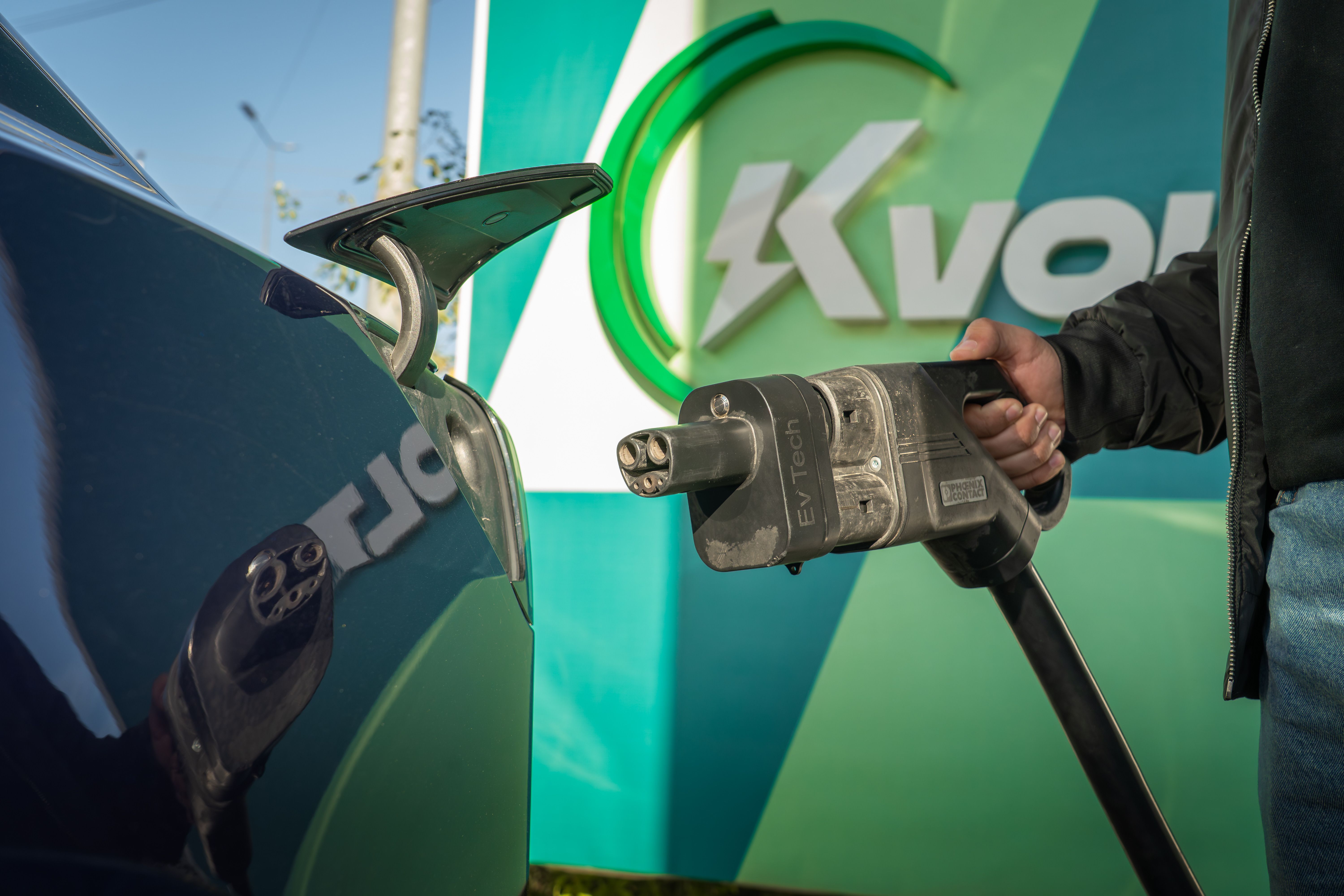
Discover how solid-state batteries are revolutionizing electric vehicles in 2026, promising dramatically increased range, lightning-fast charging, and unparalleled safety. This comprehensive buyer's guide compares the leading technologies and manufacturers, helping you choose the future-proof EV that eliminates range anxiety forever.
Introduction to the Topic
Welcome to 2026, where the electric vehicle revolution isn't just accelerating – it's undergoing a seismic shift. For years, the promise of EVs has been tempered by the realities of range anxiety, slower charging times, and the lingering safety concerns associated with traditional lithium-ion batteries. But what if we told you that the biggest hurdle in EV adoption is finally being overcome? Enter solid-state batteries (SSBs): a game-changing technology poised to redefine what’s possible for electric vehicles, starting right now.
At techeology.com, we’ve been tracking this monumental innovation, and the future is clearer than ever. Solid-state batteries aren't just an incremental upgrade; they represent a fundamental leap forward, promising unprecedented energy density, vastly improved safety, and charging speeds that rival a quick gas station stop. If you’re considering an EV purchase in the next few years, understanding this technology isn't just an advantage – it's essential to future-proofing your investment and maximizing your driving experience. Join us as we dive deep into the world of solid-state EVs, compare the frontrunners, and equip you with the knowledge to make the smartest choice for your next vehicle.
Backgrounds & Facts
To truly appreciate the impact of solid-state batteries, it’s crucial to understand the limitations they aim to solve. Traditional lithium-ion batteries, while powerful, rely on a liquid or gel electrolyte to facilitate the movement of ions between the anode and cathode. This liquid component is not only flammable under certain conditions (leading to thermal runaway risks) but also limits energy density and charging speed. Imagine packing more power into a smaller space without the risk of a chemical reaction going awry – that’s the core promise of SSBs.
Solid-state batteries replace this volatile liquid electrolyte with a solid material, such as ceramics, polymers, or glass. This seemingly simple change unlocks a cascade of benefits. Firstly, the elimination of flammable liquids dramatically enhances safety, reducing the risk of fires and making EVs inherently safer. Secondly, solid electrolytes are more stable and can withstand higher temperatures, allowing for faster charging rates without degradation. Thirdly, and perhaps most excitingly for consumers, SSBs can achieve significantly higher energy densities. This means more range from a smaller, lighter battery pack – potentially shrinking current 100 kWh packs into a fraction of their size while delivering 500+ miles on a single charge.
The journey to commercialization hasn't been without its challenges. Developing a solid electrolyte that conducts ions as efficiently as a liquid, can withstand repeated charge cycles, and is cost-effective to manufacture at scale has been a monumental engineering feat. For years, SSBs were considered the holy grail of battery technology, always five to ten years away. But as we stand in 2026, breakthroughs in materials science and manufacturing processes have brought this dream to fruition, with several major players now on the cusp of mass production or already integrating early versions into select models.
Expert Opinion / Analysis
"The arrival of solid-state batteries marks the true inflection point for electric vehicles," states Dr. Anya Sharma, lead battery analyst at Electrify Insights. "For too long, the narrative around EVs has been dominated by 'good enough' range and 'acceptable' charging times. Solid-state technology isn't just 'good enough'; it's fundamentally superior. We predict that by the end of 2026, at least 15-20% of new premium EV models will offer solid-state options, with that number skyrocketing to over 50% by 2028."
Market projections echo Dr. Sharma's optimism. Reports from BloombergNEF indicate that the global solid-state battery market, valued at a mere few hundred million dollars in 2023, is expected to surge past $10 billion by 2030, driven primarily by automotive applications. This rapid growth is fueled by massive investments from both established automakers and innovative startups, all vying for a slice of this transformative pie.
"What's truly remarkable isn't just the performance gains, but the potential for cost reduction in the long term," adds Michael Chen, CEO of EVolution Capital. "While initial solid-state batteries will likely command a premium, the simplified battery pack design, reduced cooling requirements, and longer lifespan will eventually lead to lower total cost of ownership for consumers. We're looking at EVs that are not only better performing but also more durable and, ultimately, more affordable over their lifetime. This is a crucial factor for mass market adoption beyond early adopters."
The expert consensus is clear: solid-state batteries are not a futuristic pipe dream but a present-day reality rapidly scaling up. This shift will not only impact vehicle performance but also influence charging infrastructure development, grid stability (due to potential for faster V2G applications), and the overall sustainability of the transportation sector.
💰 Best Options in Comparison (VERY IMPORTANT)
As the solid-state revolution unfolds, several key players are emerging, each with distinct approaches and timelines. For consumers looking to invest in a future-proof EV, understanding these differences is paramount. While full mass-market availability for all manufacturers might still be a few years out, early adopters and premium segment buyers can already expect to see solid-state options or vehicles built on platforms ready for swift integration.
When evaluating your next EV, consider not just the vehicle's brand, but the battery technology powering it. Here's a breakdown of the leading contenders in the solid-state race and what their progress means for your purchasing decisions in 2026:
- Toyota (Partnering with Panasonic/Prime Planet Energy & Solutions): Long considered a pioneer, Toyota has been developing solid-state technology for decades. Their initial focus has been on hybrid vehicles, but their first full-EV with solid-state tech is expected to see limited production by late 2026, primarily for specialized applications or premium models. Expect extremely high safety standards and potentially an initial focus on high-performance variants. Toyota's approach emphasizes sulfide-based solid electrolytes.
- QuantumScape (Partnership with Volkswagen Group): A leading American startup, QuantumScape has made significant strides with its anode-less battery technology, which promises extremely high energy density and ultra-fast charging (0-80% in under 15 minutes). Volkswagen Group has invested heavily, and we anticipate seeing QuantumScape cells integrated into high-end Porsche and Audi models by late 2026 or early 2027, initially in small batches. This is a premium option for those prioritizing bleeding-edge performance.
- Solid Power (Partnership with BMW and Ford): Another prominent US-based solid-state developer, Solid Power, is focusing on sulfide-based electrolytes and has successfully demonstrated large-format cell production. Both BMW and Ford are heavily involved, and we expect pilot programs and potentially limited series production vehicles from these brands featuring Solid Power's technology by 2027. Their focus appears to be on balancing performance, safety, and scalability for broader automotive adoption.
- CATL (China): The world's largest battery manufacturer, CATL, is not to be underestimated. While often more secretive about their solid-state progress, they have announced significant breakthroughs in condensed battery technology, which shares many characteristics with solid-state. Expect their innovations to rapidly appear in a wide range of Chinese EVs and potentially in Western brands that source from CATL, with a strong emphasis on cost-effectiveness and rapid scaling.
- Samsung SDI (South Korea): Samsung SDI has been actively developing solid-state battery prototypes, showcasing impressive energy density figures. Their focus is on developing a silver-carbon composite anode, which promises high performance and long cycle life. While specific automotive integration timelines are less clear for 2026 compared to others, their robust R&D suggests they will be a significant player in the latter half of the decade, likely supplying multiple OEMs.
To help you navigate these options, here's a comparative overview:
| Developer/Partner | Key Technology/Approach | Anticipated Consumer Impact (2026-2027) | Pros for Buyers | Considerations for Buyers |
|---|---|---|---|---|
| Toyota (w/ Panasonic) | Sulfide-based solid electrolyte | Limited availability in premium/specialized EVs by late 2026. | High safety, Toyota's reliability, potential for very long lifespan. | Initial high cost, limited models, gradual rollout. |
| QuantumScape (w/ VW Group) | Anode-less design, ceramic solid electrolyte | High-end Porsche/Audi models in limited numbers by late 2026/early 2027. | Ultra-fast charging, extremely high energy density, top performance. | Very premium price point, limited availability to start. |
| Solid Power (w/ BMW, Ford) | Sulfide-based solid electrolyte | Pilot programs/limited series production from BMW/Ford by 2027. | Balanced performance & safety, strong OEM backing for scalability. | Slightly later broad availability compared to some competitors. |
| CATL (China) | Condensed battery tech (semi-solid/solid-state hybrid) | Rapid integration into various Chinese EVs, potentially Western brands. | Cost-effective, rapid market penetration, diverse applications. | Specific solid-state timelines can be less transparent; initial tech might be 'semi-solid'. |
| Samsung SDI (South Korea) | Polymer/sulfide electrolyte with silver-carbon anode | Prototypes showing promise; broader OEM supply likely post-2027. | High energy density, long cycle life, potential for diverse OEM partnerships. | Automotive integration and specific vehicle models for 2026 are less defined. |
When making your decision, consider your priorities: are you an early adopter willing to pay a premium for cutting-edge speed and range (e.g., QuantumScape)? Or are you looking for proven reliability and safety from a trusted brand (e.g., Toyota's initial offerings)? The landscape is dynamic, but 2026 is the year these choices truly begin to materialize.
Outlook & Trends
The advent of solid-state batteries is more than just a technological upgrade; it's a catalyst for broader industry transformation. Beyond the immediate benefits of increased range and faster charging, SSBs will likely accelerate the development of more compact and aerodynamically efficient EV designs, as battery packs can become smaller and lighter. This could lead to a new era of EV aesthetics and packaging.
Furthermore, the enhanced safety profile of solid-state batteries could alleviate regulatory hurdles and consumer apprehension, paving the way for wider adoption in markets that have been slower to embrace EVs. We can also anticipate a significant impact on the secondary market for EVs, with solid-state powered vehicles potentially retaining higher resale values due to their longer lifespan and superior performance characteristics.
Looking further ahead, the principles behind solid-state technology could extend beyond passenger vehicles. Drones, electric aircraft, and even grid-scale energy storage solutions stand to benefit from these advancements, creating a ripple effect across multiple sectors. The race for materials and manufacturing scale will intensify, driving innovation in supply chains and potentially leading to new geopolitical dynamics around critical minerals. The future of energy, transportation, and even urban planning will be shaped by the continued evolution and widespread deployment of solid-state battery technology.
Conclusion
The year 2026 marks a pivotal moment in the history of electric vehicles. Solid-state batteries are no longer a distant dream but a tangible reality, poised to eliminate the long-standing compromises of EV ownership. From banishing range anxiety to enabling ultra-fast charging and ensuring unprecedented safety, this technology is set to fundamentally elevate the electric driving experience.
As you plan your next vehicle purchase, remember that the battery is the heart of any EV. By understanding the advancements in solid-state technology and the key players driving its adoption, you can make an informed decision that future-proofs your investment and unlocks a truly uncompromised electric future. The road ahead for EVs is not just electric; it's solid-state, and it’s electrifying!