
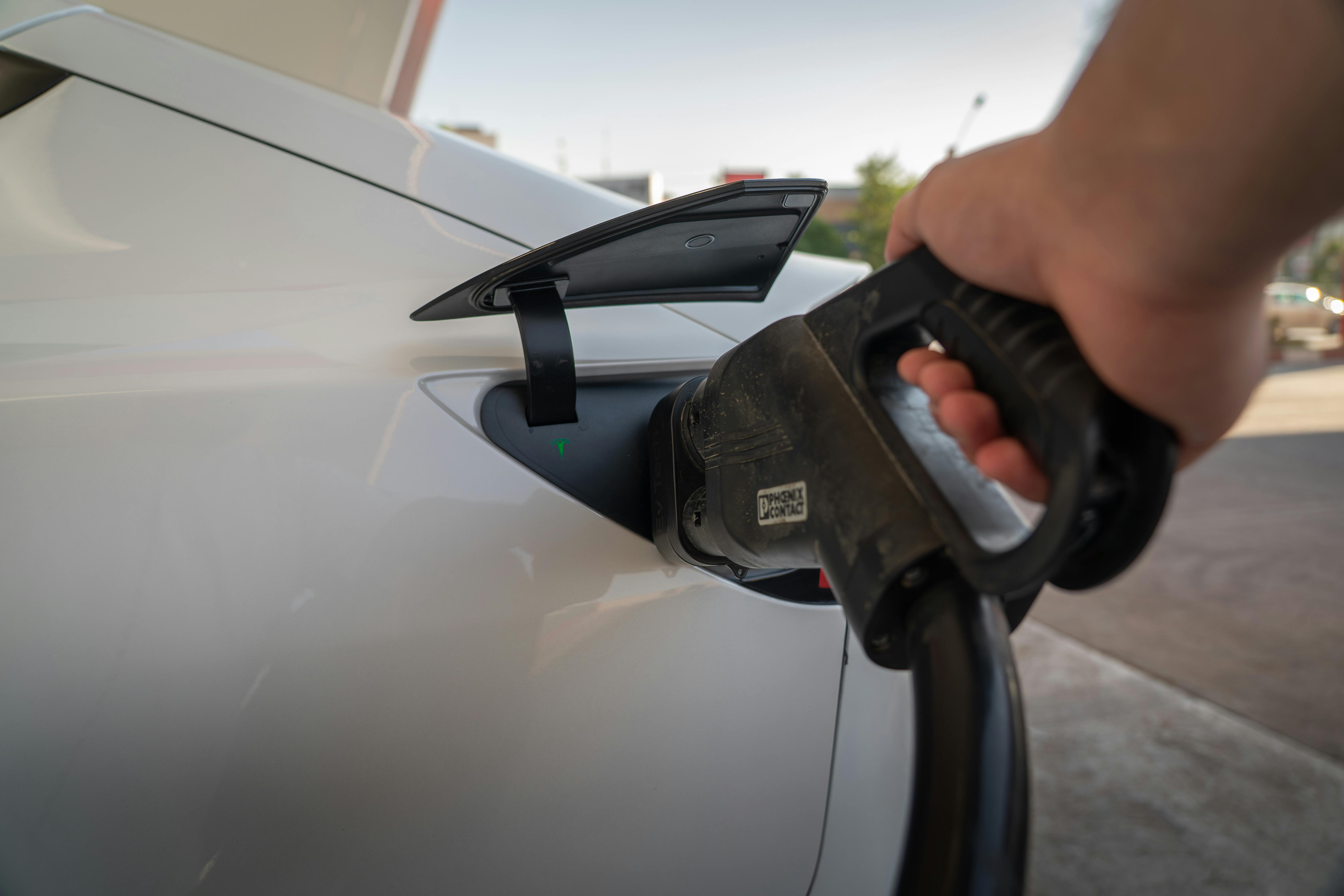
The electric vehicle landscape is undergoing a seismic shift in 2026. Discover how groundbreaking solid-state battery technology and ultra-fast 800V charging architectures are not just extending range and slashing charge times, but fundamentally changing the value proposition of your next EV. Dive deep into the top EV models, compare features, and find out which cutting-edge electric cars are ready to eliminate range anxiety and accelerate your journey into the future of sustainable driving.
Introduction to the Topic
Welcome to 2026, where the promise of electric vehicles is no longer a distant dream but a rapidly evolving reality. For years, prospective EV buyers grappled with two primary concerns: how far can it go on a single charge (range anxiety) and how long does it take to replenish that charge? While significant strides have been made, the industry is now on the cusp of a true revolution, spearheaded by two transformative technologies: solid-state batteries and advanced 800V ultra-fast charging architectures. These innovations are not just incremental improvements; they are game-changers set to redefine performance, convenience, and the overall ownership experience for your next electric vehicle. If you're considering an EV purchase in 2026, understanding these advancements is crucial to investing in the future, not just a car. We'll explore how these technologies work, their impact on the market, and critically, which models are leading the charge, helping you make the smartest decision for your wallet and your driving needs.
Backgrounds & Facts
The Solid-State Battery Revolution: More Range, Faster Charging, Safer Driving
For decades, lithium-ion batteries, with their liquid or gel electrolytes, have powered our portable electronics and, more recently, our electric vehicles. However, they have inherent limitations in energy density, charging speed, and safety. Enter the solid-state battery (SSB). Instead of a flammable liquid electrolyte, SSBs utilize a solid material – often ceramic, glass, or polymer – to conduct ions between the anode and cathode. This seemingly simple change unlocks a cascade of benefits that are reshaping the very foundation of EV performance:
- Higher Energy Density: SSBs can pack significantly more energy into a smaller, lighter package. This translates directly into longer EV ranges, with some prototypes achieving over 1,000 kilometers (620+ miles) on a single charge, or allowing manufacturers to use smaller battery packs for the same range, reducing vehicle weight and cost.
- Ultra-Fast Charging: The solid electrolyte allows for much faster ion transfer, enabling incredibly rapid charging times. While current EVs boast 20-80% charges in 18-30 minutes, solid-state technology promises to slash this to under 10 minutes for a substantial range boost, making pit stops comparable to refueling a gasoline car. This is a key factor for EV charging time comparison.
- Enhanced Safety: Eliminating the flammable liquid electrolyte dramatically reduces the risk of thermal runaway and fire, a significant safety advantage that contributes to greater peace of mind for drivers.
- Longer Lifespan: SSBs are generally more stable and less prone to degradation over time, potentially leading to a longer battery life and better resale value for solid-state battery EVs.
By 2026, while not fully mainstream, several manufacturers like Toyota, QuantumScape, and Solid Power are on the cusp of limited commercial deployment, particularly in premium or specialized vehicles, signaling the dawn of a new era in electric car battery technology.
800V Architecture: Powering Up Your Charge Speeds
Complementing the battery revolution is the widespread adoption of 800-volt (800V) electrical architectures in electric vehicles. Traditional EVs, for years, have largely operated on 400V systems. The shift to 800V is not just about a higher number; it's about fundamental physics that dramatically improves charging efficiency and speed:
- Faster Charging: At a given power output (e.g., 350 kW), an 800V system draws half the current of a 400V system. Lower current means less heat generated in the battery, cables, and charging station, allowing for significantly faster charging without risking component damage. This is why 800V EVs can often utilize the fastest DC public chargers to their full potential, achieving 10-80% charges in as little as 18-20 minutes.
- Improved Efficiency: Less heat generated during charging and discharging also means less energy loss, translating to slightly better overall efficiency and potentially a few extra miles of range.
- Lighter Components: Lower current allows for thinner, lighter wiring throughout the vehicle, contributing to overall weight reduction and improved performance.
Pioneered by models like the Porsche Taycan and the Hyundai IONIQ 5/6, 800V architecture is rapidly becoming a standard for high-performance and premium EVs. By 2026, more mainstream brands are integrating this technology, making next-gen EV charging a reality for a wider audience. The synergy between 800V systems and future solid-state batteries, which are inherently capable of accepting higher charge rates, promises an unparalleled charging experience.
Expert Opinion / Analysis
“The convergence of solid-state battery breakthroughs and 800V platforms is perhaps the most significant leap for EVs since their inception,” states Dr. Anya Sharma, lead analyst at Future Mobility Insights. “While solid-state batteries will initially command a premium and be featured in high-end or niche models in 2026, their impact on EV range anxiety solutions and perceived value is immense. We project that by 2028-2029, as manufacturing scales, they will begin to trickle down to more mainstream segments.”
Industry veteran and automotive engineer, Mark Jensen, adds, “The 800V architecture, on the other hand, is already gaining significant traction. It’s a proven technology delivering tangible benefits today, especially for those who frequently use public DC fast chargers. For consumers, this means less time waiting and more time driving, fundamentally improving the daily usability of an EV. The challenge remains the widespread availability of 350kW+ charging infrastructure to fully exploit these capabilities, but investment is booming globally.”
Our analysis at techeology.com suggests that early adopters of solid-state battery EVs will be those prioritizing maximum range, ultimate safety, and the absolute fastest charging, often willing to pay a premium. However, the benefits of 800V charging are already accessible in a growing number of competitive models, making it a critical feature to look for when comparing electric car purchase guides for 2026.
💰 Best Options in Comparison (VERY IMPORTANT)
As of 2026, the market is beginning to see the fruits of these technological advancements. While full solid-state battery vehicles are still in early rollout, models leveraging advanced battery chemistries and robust 800V systems are readily available. Here are some of the standout options for discerning buyers, showcasing the cutting edge of EV technology:
- Lexus LF-Z Electrified (2026 Solid-State Edition): Leveraging parent company Toyota's extensive research, the LF-Z Electrified in its premium solid-state variant is set to be a beacon of next-gen luxury and performance. Expect a truly groundbreaking range and unparalleled charging speeds, albeit at a premium price point for early adopters. It's designed to offer a seamless, high-performance driving experience with minimal charging interruptions.
- Hyundai IONIQ 7 (2026): Building on the success of the E-GMP platform, the IONIQ 7 is Hyundai's flagship electric SUV. It boasts a highly optimized 800V architecture, allowing for blistering fast charging. While not a full solid-state battery, it incorporates advanced NMC (Nickel-Manganese-Cobalt) chemistries for excellent energy density and range, making it a practical yet luxurious choice for families and adventurers alike.
- Porsche Macan EV (2026): The all-electric Macan is poised to bring Porsche's renowned driving dynamics to the luxury SUV EV segment. Equipped with an 800V architecture derived from the Taycan, it promises exceptional charging speeds and performance. Its battery technology, while not solid-state, is optimized for high power output and efficient thermal management, ensuring consistent performance even during spirited driving.
- Lucid Air Grand Touring (2026 Update): Already celebrated for its incredible efficiency and range, the updated Lucid Air Grand Touring continues to push boundaries. While Lucid's focus is on optimizing liquid-cooled lithium-ion batteries and advanced thermal management, its existing 900V-class architecture already positions it as a charging powerhouse. The 2026 update includes minor refinements to battery chemistry and software, further enhancing its class-leading range and rapid charging capabilities, making it a top contender for those seeking the longest range EV.
To help you compare these revolutionary vehicles, here’s a breakdown of their key specifications:
| Model | Key Battery/Charging Tech | Estimated Range (EPA) | 0-80% Charge Time (at max DC) | Estimated Starting Price (USD) | Key Benefit |
|---|---|---|---|---|---|
| Lexus LF-Z Electrified (SSB Edition) | Solid-State Battery, 800V | ~450-500 miles | ~10-12 minutes | $120,000+ | Ultimate Range & Fastest Charging |
| Hyundai IONIQ 7 (2026) | Advanced Li-ion, 800V E-GMP | ~320-350 miles | ~18-20 minutes | Mainstream 800V Value & Space | |
| Porsche Macan EV (2026) | Advanced Li-ion, 800V PPE Platform | ~300-330 miles | ~20-22 minutes | Performance & Luxury SUV | |
| Lucid Air Grand Touring (2026 Update) | Optimized Li-ion, 900V-class | ~510-520 miles | ~20-25 minutes | Industry-Leading Efficiency & Range |
Note: All ranges and charging times are estimates for 2026 models and may vary based on trim, driving conditions, and charging infrastructure. Prices are manufacturer's suggested retail prices (MSRP) before incentives.
Outlook & Trends
Looking beyond 2026, the momentum for these technologies is only set to intensify. Solid-state battery production is expected to scale, leading to more competitive pricing and wider adoption across vehicle segments by the end of the decade. This will significantly reduce the EV cost of ownership by extending battery life and reducing charging frequency.
The 800V architecture will become the industry standard for virtually all new EVs, not just premium models. This proliferation will drive further investment in ultra-fast charging networks, with more 350kW+ chargers appearing at highway rest stops and urban hubs, making long-distance EV travel truly seamless. We also anticipate continued advancements in battery chemistry, including the integration of silicon anodes for incremental energy density gains, and even more sustainable options like sodium-ion batteries entering the budget segment.
Furthermore, the interplay between advanced batteries, vehicle-to-grid (V2G) capabilities, and smart energy management systems will transform EVs into mobile power banks, contributing to grid stability and potentially saving owners money on home energy bills. The future of EV battery life and sustainable recycling practices will also become paramount, with significant R&D focused on circular economy models for these advanced power units.
Conclusion
The year 2026 marks a pivotal moment in the evolution of electric vehicles. With solid-state batteries beginning their rollout and 800V charging architectures becoming more prevalent, the traditional barriers of range anxiety and long charging times are rapidly dissolving. These innovations promise not just better cars, but a fundamentally more convenient and enjoyable ownership experience. When planning your next electric car purchase, prioritize models that embrace these cutting-edge technologies. They represent not just the future of driving, but a smart, sustainable investment that will pay dividends in convenience, performance, and peace of mind. Explore the options, compare the benefits, and get ready to experience the true potential of electric mobility.