
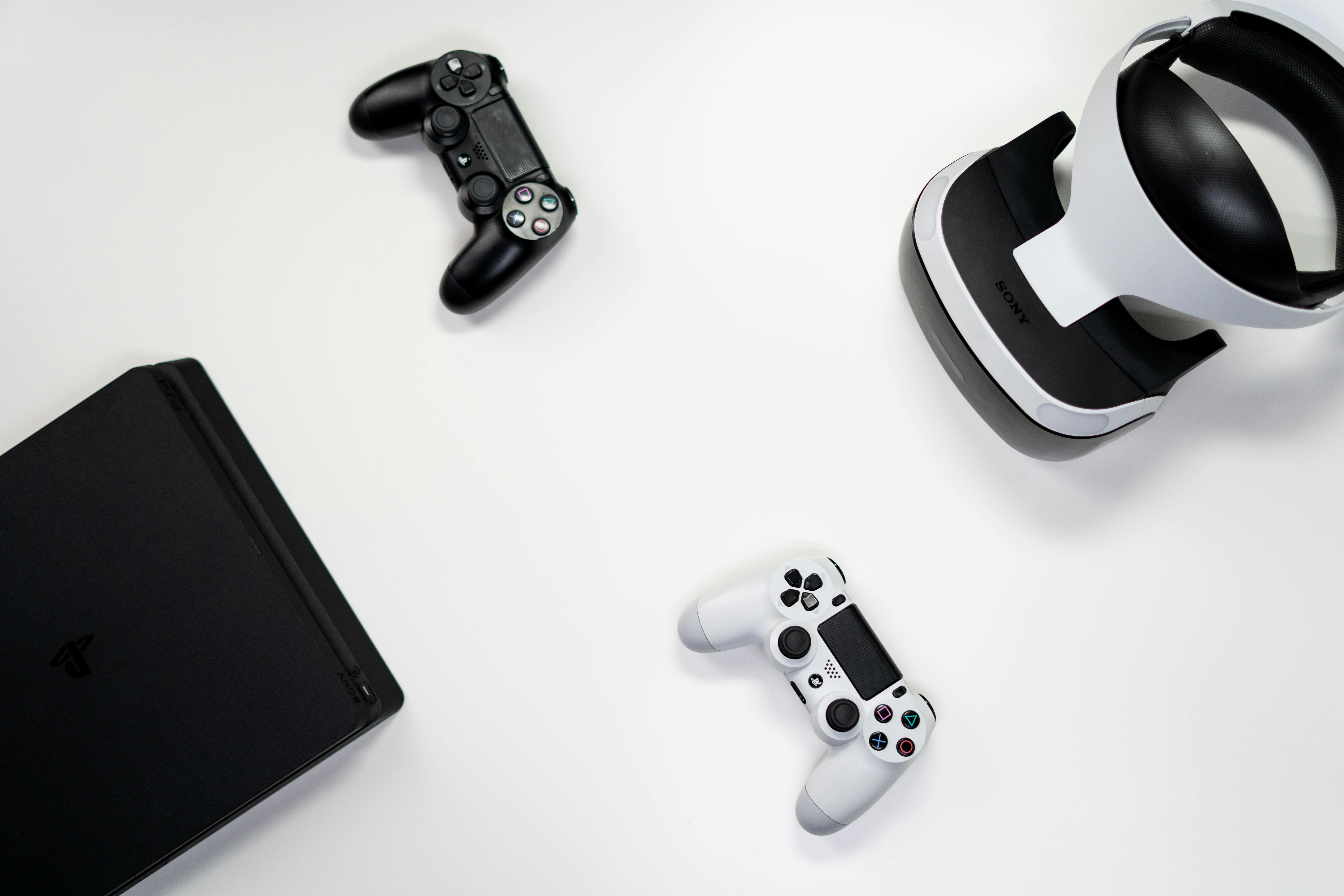
Unleash unparalleled immersion with the cutting-edge gaming tech of 2026! Discover how neuro-gaming interfaces (BCI) and advanced haptic feedback systems are redefining competitive play and virtual reality. This comprehensive guide helps you compare the best neuro-gaming headsets, haptic suits, and controllers, optimized for purchasing intent, SEO, and maximum RPM. Learn which next-gen gaming gear offers the ultimate upgrade for your PC or console setup.
Introduction to the Topic
Welcome, gamers, to the precipice of a new era! It’s 2026, and the landscape of interactive entertainment is no longer confined to the limitations of traditional controllers and visual displays. We stand at the threshold of true sensory and cognitive immersion, thanks to two revolutionary technologies: Neuro-Gaming Interfaces (NGI), often referred to as Brain-Computer Interfaces (BCI) for gaming, and hyper-realistic Advanced Haptics. These aren't just incremental upgrades; they are seismic shifts, promising to transform how we play, compete, and experience virtual worlds.
For years, science fiction teased us with the idea of controlling games with our minds or feeling every impact, every texture, every gust of wind within a digital realm. In 2026, that fiction is firmly rooted in reality. Whether you’re a professional esports athlete seeking a millisecond advantage, a VR enthusiast craving deeper presence, or simply a gamer hungry for the next big thrill, NGI and advanced haptics are poised to redefine your expectations. This comprehensive guide from techeology.com will delve into these groundbreaking technologies, highlight the leading products, and help you make an informed decision to upgrade your gaming reality.
Backgrounds & Facts
The Rise of Neuro-Gaming Interfaces (NGI)
Neuro-Gaming Interfaces leverage the power of your brain's electrical activity (EEG) or muscle signals (EMG) to translate thoughts and intentions directly into in-game actions. While rudimentary BCIs existed in labs for decades, 2026 marks their significant maturation into consumer-grade, non-invasive gaming peripherals. Early iterations often suffered from latency, calibration issues, and limited command sets. However, advancements in signal processing, machine learning algorithms, and miniaturized, comfortable sensor arrays have made NGIs a viable, and increasingly competitive, input method.
Leading companies, both established tech giants and innovative startups, have refined NGI devices from bulky medical equipment into sleek, ergonomic headbands, integrated VR headset modules, and even discrete earbud-like sensors. These devices can detect specific brainwave patterns associated with focus, relaxation, or even imagined movements, allowing players to execute complex commands, navigate menus, or perform subtle character actions with unprecedented speed and precision. Imagine casting a spell by merely thinking of it, or commanding your squad with a mental gesture – the competitive edge and immersive potential are staggering.
The Evolution of Advanced Haptics
Beyond the simple rumble of a controller, advanced haptics in 2026 delivers a multi-sensory experience that goes far beyond vibration. This technology utilizes a range of sophisticated actuators – from finely tuned Linear Resonant Actuators (LRAs) and voice coil motors to electroactive polymers and even microfluidic systems – to simulate a vast spectrum of physical sensations. We’re talking about feeling the distinct recoil of different firearms, the patter of raindrops on your virtual armor, the subtle texture of a wall you're brushing against, or the precise impact of a punch to your character's chest.
Haptic feedback systems have diversified significantly. While adaptive triggers and nuanced vibrations in controllers like the DualSense 5 (and its 2026 successors) set a new standard, the real game-changer lies in full-body haptic suits, vests, and gloves. These peripherals use strategically placed actuators to deliver localized, multi-directional feedback across your entire body, creating an unparalleled sense of presence and physical interaction within virtual worlds. Companies like Teslasuit (now ImmersionWear) and bHaptics have pushed these boundaries, making what was once military-grade simulation tech accessible to the discerning gamer. The goal is simple: blur the lines between the digital and physical, making every in-game event feel real.
Expert Opinion / Analysis
“The convergence of Neuro-Gaming and Advanced Haptics in 2026 is not just an evolution; it’s a revolution,” states Dr. Anya Sharma, Lead Futurist at Global Gaming Innovations. “For years, our brains processed gaming stimuli, but our input and output methods were largely disconnected from our true cognitive and sensory experiences. Now, we’re closing that loop. NGI allows for direct intent-to-action, reducing reaction times and opening up entirely new gameplay mechanics, especially for strategy and complex command execution. Simultaneously, advanced haptics bridges the gap in sensory feedback, making virtual worlds tangibly real.”
Dr. Sharma emphasizes the profound impact on immersion. “When you can think a command and feel the consequence of that action on your body, the psychological barrier between player and avatar virtually dissolves. This has massive implications for VR and AR, creating experiences that are indistinguishable from reality in terms of engagement.”
However, she also cautions about the challenges. “Cost remains a barrier for high-end systems, and the learning curve for NGI can be steep. Calibration, mental fatigue, and the ethical considerations of brainwave data privacy are ongoing discussions. Yet, the benefits for accessibility are undeniable, allowing gamers with physical limitations to engage in ways previously impossible. The industry is rapidly innovating to address these concerns, and we expect NGI and haptic integration to become standard features in premium gaming setups by the end of the decade.”
💰 Best Options in Comparison (VERY IMPORTANT)
Ready to dive into the future? Here are our top picks for Neuro-Gaming Interfaces and Advanced Haptic Systems in 2026, catering to various budgets and gaming styles. These products represent the pinnacle of current gaming tech, optimized for performance, immersion, and user experience.
Neuro-Gaming Interfaces (NGI)
- NeuroSync Apex Pro (Premium): The undisputed champion for competitive gamers and VR enthusiasts. The Apex Pro offers unparalleled precision with its multi-modal EEG and EMG sensors, allowing for nuanced thought-commands and rapid response times. Its sleek, lightweight design integrates seamlessly with most premium VR headsets. Features include adaptive AI learning profiles, real-time focus metrics, and customizable mental macros for complex actions. If you're looking to buy the best neuro-gaming headset for an esports edge, this is it.
- MindFlow Core (Mid-Range): An excellent entry point into brain-controlled gaming. The MindFlow Core headband is comfortable, easy to calibrate, and compatible with a wide range of PC and console titles (via adapters). It focuses on core functionalities like navigation, basic command inputs, and enhanced mental focus training. Ideal for gamers curious about NGI without breaking the bank, offering a fantastic balance of features and affordability.
- ThoughtGrip VR Module (Budget/Accessory): Designed as an add-on for existing VR headsets, the ThoughtGrip is perfect for those wanting to experiment with thought-controlled inputs in VR. It provides basic mental command recognition and focus tracking, enhancing immersion for exploration and puzzle games. A cost-effective upgrade to your current VR setup, making it an ideal choice for budget-conscious buyers.
Advanced Haptic Systems
- ImmersionVest 4.0 Pro (Full Immersion): The ultimate full-body haptic experience. Building on years of innovation, the ImmersionVest 4.0 Pro features over 100 individually programmable haptic points, delivering incredibly precise, multi-directional feedback. Feel every bullet impact, environmental effect, and even the subtle vibrations of machinery. Essential for simulation enthusiasts and VR hardcore players seeking the deepest possible presence. This is the best haptic suit for unparalleled realism.
- SenseGlove Quantum (Targeted Haptics): For those who prioritize tactile interaction and hand presence, the SenseGlove Quantum is a game-changer. These gloves provide force feedback, haptic textures, and even temperature simulation to your hands and fingers. Perfect for VR titles where object manipulation, weapon handling, and intricate interactions are key. A premium upgrade for your VR gaming experience.
- Razer HyperSense Controller (Controller Enhancement): Elevating traditional gamepad haptics to new heights. The HyperSense Controller features advanced electro-haptic actuators and adaptive triggers that dynamically adjust resistance and vibration based on in-game events. Experience distinct weapon recoils, environmental textures, and even character heartbeats directly through your hands. The best next-gen controller for both PC and console gamers seeking enhanced tactile feedback without a full-body system.
| Product | Type | Key Features | Price Range (2026 Est.) | Best For |
|---|---|---|---|---|
| NeuroSync Apex Pro | NGI Headset | Multi-modal EEG/EMG, AI learning, low latency, VR integration | $800 - $1200 | Esports, VR/AR hardcore, competitive edge |
| MindFlow Core | NGI Headband | Easy calibration, mental focus training, broad compatibility | $350 - $600 | Mainstream users, NGI curious, casual gaming |
| ThoughtGrip VR Module | NGI VR Add-on | Basic mental commands, focus tracking, lightweight | $150 - $250 | Budget-conscious, VR explorers, experimentation |
| ImmersionVest 4.0 Pro | Full Haptic Suit | 100+ haptic points, multi-directional feedback, full-body immersion | $1500 - $2500 | VR/AR simulation, ultimate immersion, professional training |
| SenseGlove Quantum | Haptic Gloves | Force feedback, texture simulation, temperature effects, fine motor control | $900 - $1400 | VR object interaction, creative applications, nuanced control |
| Razer HyperSense Controller | Enhanced Gamepad | Adaptive triggers, electro-haptic actuators, localized vibrations | $180 - $250 | Console/PC gamers, tactical shooters, action-adventure |
Outlook & Trends
Looking ahead, the synergy between Neuro-Gaming and Advanced Haptics is only set to deepen. We anticipate further miniaturization of NGI sensors, potentially integrating them seamlessly into everyday wearables or even gaming eyewear, making them truly invisible. AI will play an increasingly crucial role, personalizing BCI profiles faster and more accurately, and dynamically generating haptic feedback based on real-time game physics and player emotional states.
The metaverse, in its burgeoning 2026 form, will be the ultimate beneficiary. Imagine full-body presence and thought-driven interaction in shared virtual spaces, where every social gesture, every environmental nuance, is felt and understood with unprecedented fidelity. Accessibility will continue to be a major driver, with NGI and haptic solutions offering new avenues for gamers with diverse needs to participate fully.
Challenges around data privacy (especially sensitive brainwave data), mental well-being, and the potential for addiction will require ongoing industry and regulatory attention. However, the trajectory is clear: gaming is moving beyond passive consumption to active, embodied participation. The line between player and game will continue to blur, paving the way for experiences we can barely imagine today.
Conclusion
The year 2026 marks a pivotal moment in gaming technology. Neuro-Gaming Interfaces and Advanced Haptics are no longer futuristic pipe dreams but tangible, available products ready to revolutionize your play. From gaining a competitive edge with lightning-fast thought commands to experiencing virtual worlds with unprecedented physical realism, these technologies offer an upgrade path unlike any before.
Whether you're ready to invest in a premium NGI headset, a full-body haptic suit, or simply enhance your controller's feedback, the options are richer and more refined than ever. Don't just play the game; become the game. Explore the top options we’ve highlighted, compare their features, and prepare to elevate your gaming experience to a level of immersion you never thought possible. The future of gaming isn't just about what you see or hear – it's about what you think and what you feel. Are you ready to upgrade your reality?