
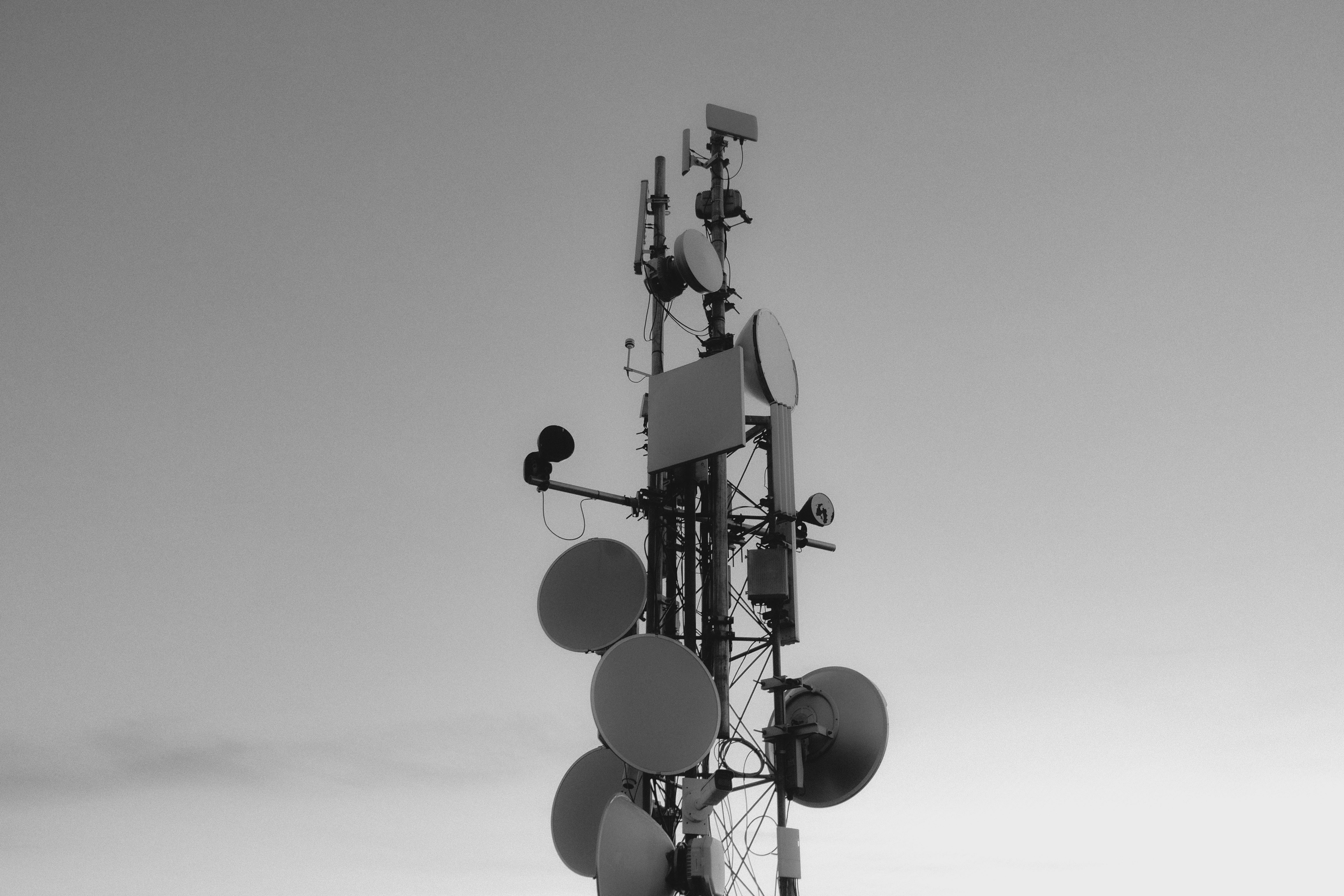
The year is 2026, and the dream of ubiquitous, global connectivity is finally a reality. Say goodbye to dead zones, dropped calls, and inaccessible data. Satellite-to-Cell (Direct-to-Device) technology has revolutionized how we connect, offering seamless mobile coverage from the remotest wilderness to bustling city centers. This comprehensive guide helps you navigate the leading providers like Starlink Direct to Cell, T-Mobile Satellite, AST SpaceMobile, and Apple Globalstar, comparing their services, compatible devices, and pricing to ensure you stay connected, everywhere, every time.
Introduction to the Topic
For decades, the promise of truly global mobile connectivity remained just out of reach. Hikers in remote valleys, sailors crossing vast oceans, and residents of underserved rural communities all shared a common frustration: the dreaded 'No Service' notification. But as we stand in 2026, that era of digital isolation is rapidly becoming a relic of the past. Thanks to monumental advancements in 5G Non-Terrestrial Networks (NTN) and the proliferation of Low Earth Orbit (LEO) satellite constellations, Satellite-to-Cell (S2C), or Direct-to-Device (D2D) connectivity, has moved from an ambitious concept to a mainstream reality.
This isn't just about emergency SOS features; it's about full-fledged mobile communication – texting, voice calls, and increasingly, data – delivered directly to your existing smartphone, no special equipment required. The implications are profound, touching every aspect of our lives, from personal safety and adventure to global commerce and bridging the digital divide. As the market matures and competition intensifies, understanding the landscape of services and devices available in 2026 is crucial for anyone looking to truly break free from the constraints of terrestrial networks. Welcome to the age of always-on, everywhere connectivity.
Backgrounds & Facts
The journey to Satellite-to-Cell connectivity has been decades in the making, but the acceleration in the past few years has been nothing short of phenomenal. At its core, S2C leverages LEO satellite constellations, which orbit much closer to Earth than traditional geostationary satellites. This proximity dramatically reduces latency and allows for smaller, less powerful antennas on the ground – small enough to be integrated into standard smartphones.
The technological backbone is 5G Non-Terrestrial Networks (NTN). Unlike older satellite communication methods that required specialized, bulky handsets, 5G NTN standards enable conventional 5G-capable smartphones to connect directly to satellites. These satellites essentially act as 'cell towers in space,' relaying signals to and from terrestrial ground stations connected to the global internet. The magic lies in the sophisticated software and hardware on both the satellite and device ends that compensate for the satellite's rapid movement and the vast distances involved.
By 2026, several key milestones have been achieved: initial text messaging services have expanded to include voice calls, and limited data connectivity is becoming more widespread. The regulatory frameworks, while still evolving, are increasingly accommodating these hybrid networks. Major players, from established aerospace companies to innovative startups, have launched hundreds of satellites, creating constellations designed specifically for D2D communication. This infrastructure is not just about providing a lifeline; it's about extending the reach of high-speed internet and reliable communication to every corner of the globe, transforming industries and empowering individuals.
Expert Opinion / Analysis
According to Dr. Elena Petrova, a leading telecommunications analyst at Techeology Research Group, “The impact of pervasive Satellite-to-Cell connectivity in 2026 cannot be overstated. We're witnessing a paradigm shift that will redefine our relationship with mobile technology.”
One of the most immediate and critical impacts is on **emergency services and disaster relief**. In 2026, with terrestrial infrastructure often compromised during natural disasters, S2C provides an invaluable lifeline for first responders and affected communities. “Imagine a hurricane wiping out cell towers,” Dr. Petrova explains. “With S2C, aid workers can coordinate, and individuals can reach out for help, directly from their phones, bypassing damaged ground networks entirely.”
For **travelers, adventurers, and outdoor enthusiasts**, S2C eliminates the perennial fear of being stranded without communication. Hikers in national parks, sailors on the open sea, and campers in remote wilderness areas now have the peace of mind that comes with constant connectivity. “It’s a game-changer for personal safety and convenience,” says Mark Harrison, CEO of AdventureTech Solutions, a company specializing in outdoor gear. “Our customers are increasingly prioritizing devices and plans that offer S2C capabilities.”
Furthermore, S2C is a powerful tool for **bridging the digital divide**, offering connectivity to rural and underserved populations where traditional cell tower deployment is economically unfeasible. This democratizes access to information, education, and economic opportunities previously unavailable. Industries like **maritime, aviation, and logistics** are also seeing massive benefits, enabling real-time tracking, communication, and data exchange for assets and personnel anywhere on Earth.
However, challenges persist. While speeds are improving, they generally don't yet match terrestrial 5G for high-bandwidth applications like streaming video. Latency, though significantly reduced by LEO satellites, can still be a factor for highly sensitive applications. The cost, while decreasing, remains a consideration, particularly for full data plans. Regulatory harmonization across different countries is also an ongoing effort. Despite these hurdles, the consensus among experts is clear: S2C is not just a niche service; it's a fundamental evolution of global communication, and its capabilities will only expand in the years to come.
💰 Best Options in Comparison (VERY IMPORTANT)
As of 2026, the Satellite-to-Cell market is buzzing with innovation and competition. Choosing the right service depends heavily on your specific needs: whether you prioritize emergency texts, basic voice calls, or more robust data capabilities. Here’s a breakdown of the leading contenders and what they offer:
-
Starlink Direct to Cell (SpaceX)
Starlink, a pioneer in LEO satellite internet, has aggressively expanded its Direct to Cell offering. By 2026, Starlink D2C provides reliable text messaging and voice call services across vast swathes of North America, Europe, and Australia, with plans for near-global coverage by year-end. Data capabilities are emerging, offering low-bandwidth access suitable for emails and light browsing. Starlink leverages its massive LEO constellation and aims for seamless integration with partner terrestrial mobile network operators (MNOs).
-
T-Mobile Satellite (Powered by SpaceX)
T-Mobile's partnership with SpaceX has yielded a compelling consumer-focused S2C solution. Integrated directly into select T-Mobile plans, this service aims for a seamless user experience, allowing T-Mobile subscribers with compatible devices to automatically connect to Starlink satellites when outside terrestrial coverage. In 2026, it primarily offers text and basic voice services, with T-Mobile positioning it as a premium feature for enhanced safety and connectivity in remote areas without needing a separate subscription or device.
-
AST SpaceMobile
AST SpaceMobile stands out with its ambitious “SpaceMobile” network, utilizing massive, low-orbiting satellites (BlueWalker 3 is a prime example) designed to connect directly to standard, unmodified smartphones at near-broadband speeds. By 2026, AST SpaceMobile has secured partnerships with numerous global MNOs, and its service is rolling out in specific regions, promising voice, text, and significantly higher data rates than competitors. This is a strong contender for users needing more than just emergency communication.
-
Apple Globalstar (Emergency SOS via Satellite)
Apple's groundbreaking Emergency SOS via Satellite, powered by Globalstar's LEO constellation, continues to be a benchmark for vital safety features. While primarily focused on emergency texting and location sharing, Apple has expanded its service in 2026 to include basic two-way communication in critical situations, and is exploring broader non-emergency applications. It's integrated seamlessly into newer iPhone models, offering peace of mind for users in supported regions, often included as part of the device purchase for a limited period.
-
Lynk Global
Lynk Global operates on a unique 'cell tower in space' model, partnering with MNOs worldwide to provide S2C services. By 2026, Lynk has established a robust network offering text and voice services, especially targeting underserved markets and roaming solutions. Their strength lies in their interoperability with existing mobile networks, making it easier for MNOs to offer satellite connectivity as an extension of their services without significant infrastructure changes.
To help you make an informed decision, here's a comparative overview of the leading Satellite-to-Cell options available in 2026:
| Provider | Service Type (2026) | Coverage Focus | Estimated Data Speed | Compatible Devices | Estimated Monthly Cost (USD) | Key Differentiator |
|---|---|---|---|---|---|---|
| Starlink Direct to Cell | Text, Voice, Limited Data | North America, Europe, Australia (Expanding Globally) | ~1-5 Mbps (for data) | 5G-capable smartphones (with software updates) | $20-50 (add-on or standalone) | Leverages largest LEO constellation for broad reach. |
| T-Mobile Satellite | Text, Voice (Emergency & Basic) | T-Mobile coverage areas + extended remote zones | Primarily for messaging/voice | Newer T-Mobile 5G smartphones | Included in select premium T-Mobile plans | Seamless integration for T-Mobile subscribers. |
| AST SpaceMobile | Text, Voice, Broadband-like Data | Specific regions (e.g., Africa, Asia, Latin America) expanding | ~10-20 Mbps (target) | Standard 5G smartphones | $30-70 (via MNO partners) | Aims for highest data speeds to unmodified phones. |
| Apple Globalstar | Emergency SOS Text, Basic Critical Communication | North America, Europe, Australia (expanding) | Low-bandwidth (for emergency texts) | iPhone 14 and newer models | Often 2 years free with new iPhone purchase | Deep integration with iPhone for emergency safety. |
| Lynk Global | Text, Voice | Various MNO partner regions (Global potential) | Primarily for messaging/voice | Standard 5G smartphones | $10-30 (via MNO partners) | Focus on MNO partnerships for seamless extension. |
Outlook & Trends
The trajectory for Satellite-to-Cell connectivity in the coming years is one of rapid expansion and increasing sophistication. By 2027-2028, we anticipate even higher data speeds becoming commonplace, pushing beyond basic email and light browsing to enable more robust applications like video calls and cloud services in remote areas. The integration with nascent 6G standards will be a critical development, as future wireless generations are being designed from the ground up with NTN capabilities as a core component, promising even lower latency and greater bandwidth.
More smartphone manufacturers are expected to embed advanced S2C capabilities directly into their devices, making satellite connectivity a standard feature rather than a premium add-on. This will drive down costs and increase accessibility. We'll also see further consolidation and partnerships in the industry, as MNOs seek to expand their reach and satellite operators vie for market share. The regulatory landscape will continue to evolve, hopefully leading to more harmonized global agreements that simplify cross-border service provision.
Ultimately, the trend is towards hybrid networks where your smartphone intelligently switches between terrestrial 5G, Wi-Fi 7, and satellite connectivity based on availability and performance, creating a truly seamless and always-on experience. The vision of a truly interconnected world, where no one is beyond the reach of communication, is not just a dream for 2026; it's the inevitable future.
Conclusion
The year 2026 marks a pivotal moment in the history of global connectivity. Satellite-to-Cell technology has shattered the traditional limitations of mobile networks, offering a future where dead zones are obsolete and communication is truly ubiquitous. Whether you're an avid adventurer, a professional working in remote locations, or simply someone who values the peace of mind of constant connectivity, the options are more diverse and accessible than ever before.
From emergency lifelines to enhancing daily communications, the advancements from players like Starlink Direct to Cell, T-Mobile Satellite, AST SpaceMobile, and Apple Globalstar are transforming our world. Evaluate your needs, compare the services outlined in this guide, and prepare to upgrade your connectivity experience. The era of truly global, always-on communication is here, and it's time to plug in – or rather, to never be unplugged again.