
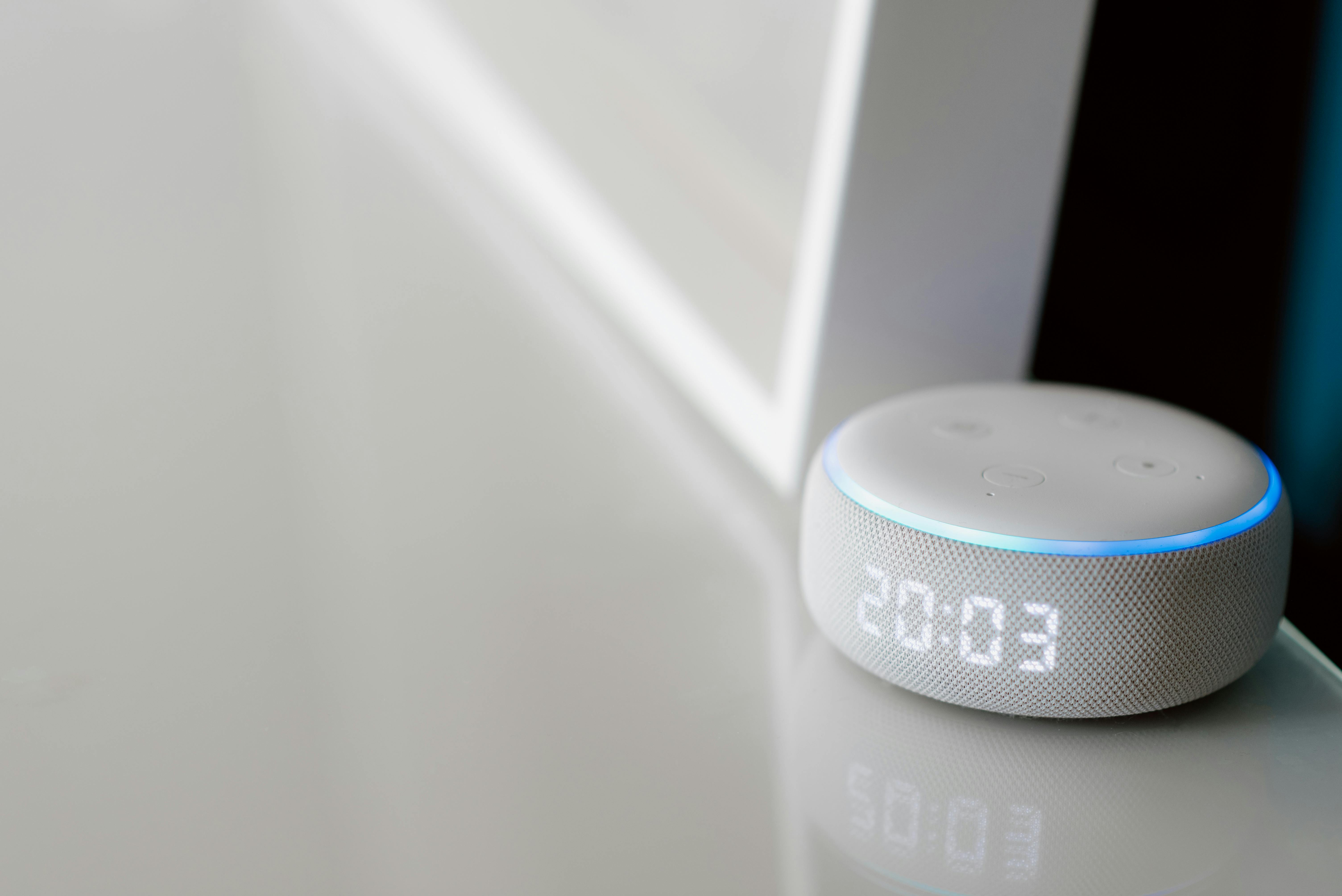
Discover how AI-powered smart home wellness systems are revolutionizing personal health in 2026. Explore cutting-edge devices for sleep optimization, air quality, circadian lighting, and mental well-being. Compare the best smart home health tech and find expert advice on building your personalized wellness oasis for a healthier, more productive life. Optimize your home environment for peak performance and longevity.
Introduction to the Topic
Welcome to 2026, where your home isn't just a place to live; it's a dynamic, intelligent partner actively nurturing your well-being. For years, smart homes promised convenience – automated lights, voice assistants, remote security. But the revolution we're witnessing today goes far beyond simple automation. We're entering the era of the Hyper-Personalized Wellness Smart Home, an ecosystem designed not just to react to your commands, but to proactively enhance your physical and mental health. This isn't science fiction; it's the new standard for living well.
Imagine a home that adjusts lighting to your unique circadian rhythm, purifies the air based on real-time allergen forecasts, optimizes your sleep environment even before you step into bed, and even offers personalized mindfulness exercises when it senses your stress levels rising. This isn't just about individual devices; it's about a seamless, AI-driven symphony of technology working in concert to create your ultimate health sanctuary. In this comprehensive guide, we'll delve into the cutting-edge of smart home wellness, explore the best systems on the market, and empower you to transform your living space into a powerhouse for longevity and peak performance.
Backgrounds & Facts
The pivot towards wellness in smart home technology isn't accidental. It's a direct response to a growing global awareness of environmental impacts on health, coupled with unprecedented advancements in AI, biosensors, and IoT interoperability. Statistics from the World Health Organization continue to highlight the pervasive issues of poor air quality, inadequate sleep, and chronic stress, all exacerbated by modern lifestyles. Traditional homes, designed without these considerations, often contribute to the problem rather than solving it.
In 2026, the smart home industry, bolstered by robust standards like Matter 2.0+, has moved past the fragmentation of previous decades. This enhanced interoperability allows devices from different manufacturers to communicate flawlessly, creating truly holistic wellness ecosystems. Miniaturized, non-invasive sensors can now monitor everything from volatile organic compounds (VOCs) and particulate matter (PM2.5) in the air, to water purity, ambient noise levels, and even subtle changes in indoor climate that affect sleep quality. Predictive AI algorithms analyze this data, learning your habits, preferences, and even your physiological responses, to anticipate your needs. This evolution from reactive automation to proactive, personalized health management is the cornerstone of the 2026 wellness smart home.
Expert Opinion / Analysis
“The shift we're observing in smart home technology is profound,” explains Dr. Anya Sharma, lead researcher at the Institute for Predictive Living Technologies. “For years, we've collected data – steps, sleep, heart rate. Now, our homes are becoming intelligent platforms that don't just collect, but interpret and act on that data to create truly adaptive, health-promoting environments.”
Dr. Sharma emphasizes the critical role of AI: “Advanced machine learning models are no longer just turning lights on and off. They're learning your unique biological rhythms, your typical stress triggers, and even your seasonal allergies. This allows your home to pre-emptively adjust humidity levels, activate advanced air purification before an allergy flare-up, or gently shift lighting to wake you naturally, optimizing your cortisol levels for the day ahead. It’s about creating a living space that understands you better than you understand yourself, in terms of environmental impact on your health.”
However, Dr. Sharma also highlights the importance of data privacy and user control. “With such deep integration into our personal health, transparency and robust security protocols are paramount. Consumers must have clear control over their data, understanding how it's used to enhance their well-being, while ensuring their privacy remains uncompromised. The leading platforms in 2026 are building this trust through decentralized data processing and user-centric privacy dashboards.”
💰 Best Options in Comparison (VERY IMPORTANT)
Investing in a smart home wellness system is an investment in your future. With numerous options available in 2026, choosing the right ecosystem depends on your priorities, budget, and desired level of integration. Here are some of the top contenders, designed to cater to different wellness goals, from comprehensive health optimization to specialized environmental control:
-
AuraHealth Ecosystem (Premium, Comprehensive Wellness)
The AuraHealth Ecosystem represents the pinnacle of integrated smart home wellness. Utilizing an advanced AI called 'Bio-Sync', AuraHealth learns your unique physiology and lifestyle patterns to deliver a truly personalized experience. It seamlessly integrates modules for advanced air and water purification (with real-time mineral and contaminant analysis), dynamic circadian lighting, predictive sleep optimization (monitoring sleep stages and adjusting temperature, sound, and light), and even subtle biofeedback through smart fabrics and haptic feedback devices to reduce stress. AuraHealth offers professional installation and ongoing consultation services, making it a complete, hands-off solution for those seeking ultimate health optimization.
-
Zenith Sleep & Air Pro (Specialized Sleep & Environmental Control)
For those prioritizing restorative sleep and pristine indoor air quality, the Zenith Sleep & Air Pro system is an excellent choice. This mid-range offering features medical-grade HEPA and activated carbon air filtration, coupled with advanced UV-C purification, capable of eliminating viruses and bacteria. Its 'Dream Weaver' sleep module uses non-contact sensors to track heart rate variability, breathing patterns, and micro-movements, dynamically adjusting bedroom climate and white noise to ensure deep, uninterrupted sleep. Zenith systems are highly compatible with Matter 2.0+ and popular voice assistants, allowing for easy integration into existing smart home setups. Installation is user-friendly, with optional certified technician support.
-
VitaLight Dynamic System (Entry-Level, Circadian & Mood Enhancement)
If your primary focus is on enhancing mood, energy levels, and regulating your natural body clock, the VitaLight Dynamic System provides an accessible entry point into smart home wellness. This system specializes in intelligent, tunable lighting that mimics natural daylight cycles throughout your home. Its 'MoodFlow' AI learns your daily routines and adjusts light temperature and intensity to boost alertness during the day and promote relaxation in the evening, aiding melatonin production. VitaLight also includes basic air quality sensors to alert you to significant changes. It's a fantastic standalone system or a perfect complement to other smart home devices, offering strong compatibility with all major smart home platforms and straightforward DIY installation.
Here's a detailed comparison to help you make an informed decision:
| Feature | AuraHealth Ecosystem | Zenith Sleep & Air Pro | VitaLight Dynamic System |
|---|---|---|---|
| Key Focus Areas | Comprehensive Wellness (Air, Water, Sleep, Light, Stress) | Sleep Optimization & Advanced Air Quality | Circadian Lighting & Mood Enhancement |
| AI Integration | Bio-Sync AI (Predictive, Adaptive, Deep Learning) | Dream Weaver AI (Sleep & Environmental Adjustment) | MoodFlow AI (Light Scheduling & Scene Adaptation) |
| Compatibility | Matter 2.0+, HomeKit, Alexa, Google Home, Custom APIs | Matter 2.0+, Alexa, Google Home | Matter 2.0+, HomeKit, Alexa, Google Home |
| Unique Features | Real-time water quality, biofeedback, professional consultation & installation | Medical-grade air filtration, non-contact sleep tracking, adaptive white noise | Tunable white & color lighting, seasonal light adaptation, easy DIY setup |
| Estimated Price Range (2026) | $$ (e.g., $5,000 - $15,000+ for whole-home) | $$ (e.g., $1,500 - $4,000 for key areas) | $ (e.g., $500 - $1,500 for a starter system) |
| Best For | Health enthusiasts, luxury homes, those seeking ultimate personalization & minimal effort | Individuals focused on sleep quality, allergy sufferers, improving respiratory health | Beginners in smart home wellness, mood enhancement, regulating natural rhythms |
When considering your purchase, remember to assess not just the upfront cost, but also potential subscription fees for advanced AI features or data analytics, and the cost of professional installation if required. Many providers offer personalized consultations to help design the perfect system for your unique needs and budget. Don't hesitate to reach out to certified smart home integrators in your area for tailored advice and installation services.
Outlook & Trends
The future of smart home wellness is poised for even more profound integration into our daily lives. By 2028, we anticipate even deeper ties with preventative healthcare. Imagine your home securely sharing anonymized environmental data and physiological trends with your healthcare provider, enabling truly proactive medical interventions. Edge AI will become even more prevalent, processing sensitive health data locally on devices, enhancing both speed and privacy.
Expect to see advancements in biofeedback mechanisms, where your home actively helps you manage stress through personalized soundscapes, haptic feedback from furniture, or even guided breathing exercises prompted by real-time biometric analysis. Smart materials in walls and furniture will become commonplace, offering adaptive thermal regulation, sound dampening, and even integrated health monitoring. The ultimate vision is a home that doesn't just adapt to you, but actively educates and empowers you to achieve optimal health, becoming an indispensable partner in your journey toward longevity and peak human performance. This isn't just about smart living; it's about intelligent, preventative wellness built into the very fabric of our homes.
Conclusion
The year 2026 marks a pivotal moment for smart home technology, transforming our living spaces from mere residences into dynamic, health-optimizing sanctuaries. The rise of hyper-personalized wellness systems, driven by advanced AI and seamless interoperability, offers an unprecedented opportunity to take control of your health directly from your home environment. From purifying the air you breathe and the water you drink, to optimizing your sleep and regulating your mood with intelligent lighting, these systems are designed to elevate every aspect of your well-being.
Investing in a smart home wellness system is more than just buying gadgets; it's investing in a healthier, more productive, and more resilient future. Whether you opt for a comprehensive ecosystem like AuraHealth, a specialized solution like Zenith Sleep & Air Pro, or an accessible entry point like VitaLight Dynamic System, the benefits of a home that actively cares for you are undeniable. Explore the options, compare the features, and consult with smart home professionals today. It's time to transform your home into your most powerful wellness tool and unlock your full potential. Your future health starts now.