
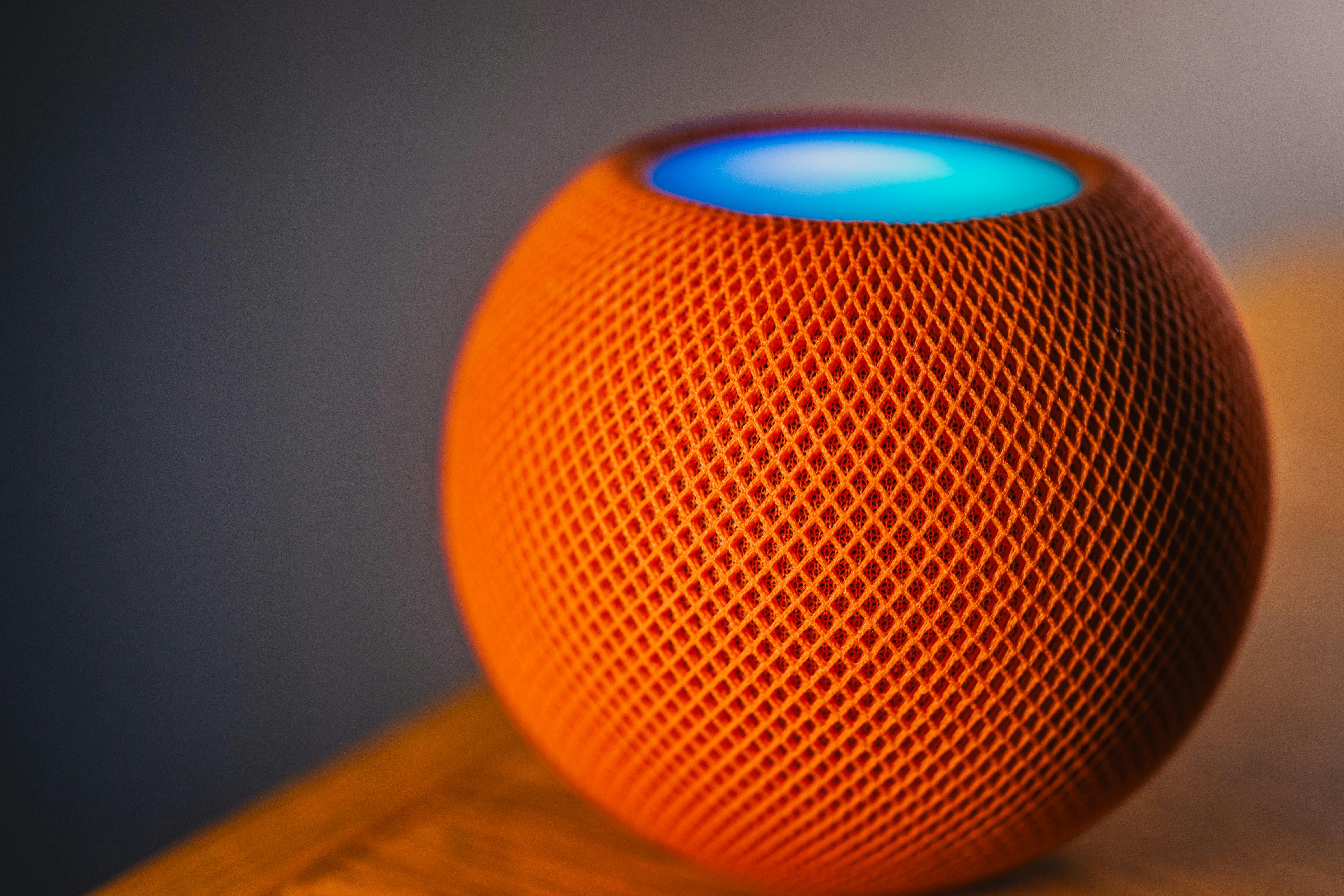
Discover the revolutionary world of AI-powered predictive smart homes in 2026. From anticipating your comfort needs to optimizing energy and enhancing security, learn how these intelligent ecosystems are transforming daily life. We compare the best smart home hubs and automation solutions, guiding your purchasing decisions for a truly personalized, energy-efficient, and secure automated home experience.
Introduction to the Topic
Welcome to 2026, where your home isn't just smart; it's intuitive. Gone are the days of merely commanding devices with your voice or a tap on an app. Today, the cutting-edge of home automation is defined by the AI-powered predictive smart home – an invisible butler that anticipates your needs, optimizes your environment, and enhances your well-being before you even realize it's necessary. This isn't science fiction; it's the reality of modern living, driven by sophisticated artificial intelligence, machine learning, and seamless integration. As an editor for techeology.com, we've witnessed the rapid evolution of smart home technology, and 2026 marks a pivotal year where these systems move from reactive helpers to proactive partners. If you're looking to buy smart home devices or upgrade your existing setup, understanding these advancements is crucial for making the best investment.
Backgrounds & Facts
The journey to the predictive smart home began with simple voice assistants and connected devices. By 2026, advancements in AI and sensor technology have propelled us into an era where homes learn, adapt, and predict. The core of this revolution lies in several key technological breakthroughs:
- Machine Learning & Deep Learning: These AI subsets analyze vast amounts of data – your routines, preferences, environmental conditions, even biometric data from wearables – to identify patterns and predict future needs. For instance, your smart home AI learns your ideal morning temperature, adjusts lighting based on your sleep cycle, or even pre-brews your coffee based on your alarm and traffic data.
- Sensor Fusion: Modern smart homes integrate data from an array of sensors far beyond motion and temperature. Think air quality monitors, humidity sensors, sleep trackers, even stress level indicators. Fusing this data provides a holistic understanding of your home environment and personal state, enabling truly personalized smart home solutions.
- Edge AI Processing: To address privacy concerns and improve responsiveness, much of the AI processing now happens locally on smart home hubs and devices (Edge AI). This reduces reliance on cloud servers, making your smart home security systems faster and more private.
- Matter 2.0 & Universal Interoperability: The promise of seamless connectivity has largely been realized with Matter 2.0. This universal standard ensures that devices from different manufacturers communicate effortlessly, allowing consumers to build diverse and robust smart home ecosystems without compatibility headaches. This greatly simplifies the process to buy smart home devices, regardless of brand.
The market for smart home technology trends continues its exponential growth, projected to exceed hundreds of billions globally by the end of the decade. This growth is fueled by consumer demand for efficiency, convenience, enhanced security, and personalized wellness. The shift from simply 'connected' to 'intelligent' and 'anticipatory' is the driving force behind this boom, offering genuine value beyond novelty.
Expert Opinion / Analysis
“The shift to predictive AI in our homes isn't just about convenience; it's about reclaiming cognitive load,” states Dr. Anya Sharma, lead AI ethicist at the Global Tech Institute. “Your home becomes a true partner, anticipating needs before you even articulate them, freeing up mental space for creativity and connection. It’s a profound shift in how we interact with our living spaces.” This sentiment underscores the lifestyle transformation offered by advanced AI home automation.
Mark Jensen, CEO of SmartHome Solutions Inc., a leading provider of professional smart home installation services, adds, “In 2026, a truly smart home isn't just listening; it's learning. We're seeing a massive surge in demand for expert setup, as consumers want these complex AI ecosystems configured perfectly from day one to maximize their predictive capabilities. A poorly installed system misses the mark on personalization and efficiency.” Jensen emphasizes that while the technology is powerful, expert integration is key to unlocking its full potential, especially for energy efficient smart home setups and robust smart home security systems.
The challenges, however, remain. Initial setup complexity can be daunting, and concerns about data privacy, despite advancements in Edge AI, persist. Trust in the AI's decision-making and the potential for 'over-automation' – where the home makes too many decisions without user input – are areas developers are actively addressing. The goal is to strike a balance between autonomy and user control, ensuring the automated home devices enhance, rather than dictate, your life.
💰 Best Options in Comparison (VERY IMPORTANT)
Navigating the landscape of AI-powered smart home solutions in 2026 can be complex. Here, we break down the leading platforms and systems, focusing on their predictive capabilities, ecosystem integration, and ideal user profiles to help you find the best smart home hubs 2026 has to offer.
-
Apple Home (VisionOS/HomeOS AI)
Apple continues its commitment to privacy and seamless integration within its ecosystem. With advancements in VisionOS and a more robust HomeOS AI, Apple Home leverages on-device processing and spatial computing to deliver unparalleled predictive features. It excels in proactive health monitoring, adjusting environments based on biometric data from Apple Watch, and offering hyper-personalized climate and lighting control. Its smart home security systems are top-tier, integrating seamlessly with Face ID and advanced motion detection. Ideal for Apple loyalists who prioritize privacy and a highly intuitive user experience. Consider professional smart home installation services to optimize complex setups.
-
Google Home (Powered by Gemini AI)
Google's ecosystem, now deeply integrated with its powerful Gemini AI, offers arguably the most sophisticated conversational and predictive intelligence. Gemini-powered Google Home excels at learning routines, predicting daily needs based on calendar entries, traffic, and even your search history (with opt-in consent). Its energy efficient smart home features are exceptional, optimizing heating, cooling, and lighting schedules to save costs. Predictive maintenance alerts for connected appliances and proactive security notifications make it a truly comprehensive solution. Best for users deeply embedded in the Google ecosystem seeking powerful AI and data-driven efficiency.
-
Amazon Alexa (Advanced LLM & Multimodal AI)
Amazon's Alexa has evolved significantly, powered by advanced Large Language Models (LLMs) and multimodal AI. Beyond voice, Alexa now interprets gestures, facial cues, and even emotional tone to anticipate needs. Its vast device compatibility remains a strong point, making it easy to integrate a wide array of automated home devices. Predictive shopping lists, media recommendations, and proactive security alerts are key features. While cloud-reliant, Amazon has improved privacy controls. It's an excellent choice for users who value broad compatibility, sophisticated voice interaction, and a more budget-friendly entry point into AI-powered home automation. Explore smart home deals for Amazon devices.
-
Samsung SmartThings (Bixby AI & Comprehensive Ecosystem)
Samsung's SmartThings platform, bolstered by Bixby AI, stands out for its deep integration with a wide range of Samsung appliances and devices. It's particularly strong in appliance maintenance prediction, energy management across your entire home, and a robust network of sensors. With Matter 2.0, its compatibility has expanded, making it a powerful contender for a unified smart home ecosystem. Ideal for users with many Samsung appliances or those looking for a comprehensive, integrated home experience from a single brand.
Also integrate a clear HTML table comparing the key points, tools, or alternatives.
| Feature / Platform | Apple Home (VisionOS/HomeOS AI) | Google Home (Gemini AI) | Amazon Alexa (Advanced LLM) | Samsung SmartThings (Bixby AI) |
|---|---|---|---|---|
| AI Sophistication | High (On-device processing, spatial intelligence) | Very High (Cloud-backed, deep learning, conversational) | High (Cloud-backed, multimodal, broad device learning) | Medium-High (Appliance-focused, growing smart home AI) |
| Ecosystem Comp. | Apple devices, Matter 2.0, HomeKit | Google services, Android, Matter 2.0, Nest devices | Vast (Alexa devices, Matter 2.0, Ring/Eero) | Samsung devices, Tizen OS, Matter 2.0, Family Hub |
| Privacy Features | Excellent (Local processing, strong data encryption, user control) | Good (User controls, anonymized data, transparency) | Standard (Opt-out options, data usage policies, improving) | Good (Device-specific controls, platform-level settings) |
| Key Predictive Features | Proactive health adjustments, personalized environment, advanced security alerts | Smart routines, energy optimization, calendar/traffic integration, predictive maintenance | Anticipatory shopping, media suggestions, proactive security, mood-based adjustments | Appliance maintenance, energy saving, security monitoring, integrated wellness |
| Ideal User | Apple loyalists, privacy-conscious, health-focused, seamless integration seekers | Google users, data-driven, efficiency seekers, conversational AI enthusiasts | Broad appeal, convenience-driven, budget-friendly, vast device compatibility | Samsung users, appliance-heavy homes, integrated ecosystem preference |
| Price Range (Hub) | Premium | Mid-Range to Premium | Entry to Mid-Range | Mid-Range |
| Professional Install | Highly Recommended for optimal setup | Recommended for comprehensive integration | Recommended for complex systems | Recommended for full ecosystem integration |
| Why Choose? | Seamless, secure, intuitive, deep health integration | Powerful AI, deeply integrated with Google services, efficiency focus | Broadest compatibility, sophisticated voice/multimodal AI, accessible | Unified appliance/home control, strong sensor network, smart home energy management |
When considering your options, remember that professional smart home installation services can significantly enhance the performance and personalization of any system. Investing in expert setup ensures your smart home AI truly understands and anticipates your needs, maximizing your return on investment in these advanced smart home solutions.
Outlook & Trends
The future of AI-powered predictive smart homes promises even more profound transformations. We anticipate:
- Hyper-Personalization 2.0: Homes will adapt not just to routines, but to emotional states, biometric changes, and even genetic predispositions, offering truly bespoke environments. Imagine your home adjusting lighting and soundscapes to mitigate stress based on real-time physiological data. This will push home wellness technology to new heights.
- Community & Grid Integration: Smart homes will increasingly interact with neighborhood energy grids, optimizing energy consumption, sharing renewable resources, and participating in demand-response programs, leading to more sustainable and energy-positive communities.
- Augmented Reality & Spatial Computing Interfaces: Control and interaction will evolve beyond screens and voice. AR overlays will allow you to 'see' and manipulate data or devices in your physical space with gestures or gaze, making the invisible butler truly ambient.
- Advanced Robotics Integration: Domestic robots, from cleaning bots to personal assistants, will work seamlessly with the home AI, becoming integral parts of the predictive ecosystem.
- Ethical AI & Regulation: As AI becomes more pervasive, robust ethical guidelines and regulatory frameworks will become paramount, ensuring transparency, fairness, and continued user trust in these powerful systems.
Conclusion
In 2026, the AI-powered predictive smart home is no longer a futuristic concept; it's a tangible reality that promises unprecedented levels of comfort, efficiency, security, and personalization. By intelligently anticipating your needs, these advanced home automation solutions free up your time and mental energy, allowing you to focus on what truly matters. Whether you're an Apple enthusiast, a Google loyalist, an Alexa aficionado, or a Samsung SmartThings advocate, there's a powerful smart home ecosystem ready to transform your living experience.
Embrace the future of living. Explore the best smart home deals, read smart home reviews, and consider professional smart home installation services to unlock the full potential of your intelligent home. The invisible butler is here, ready to revolutionize your life.