
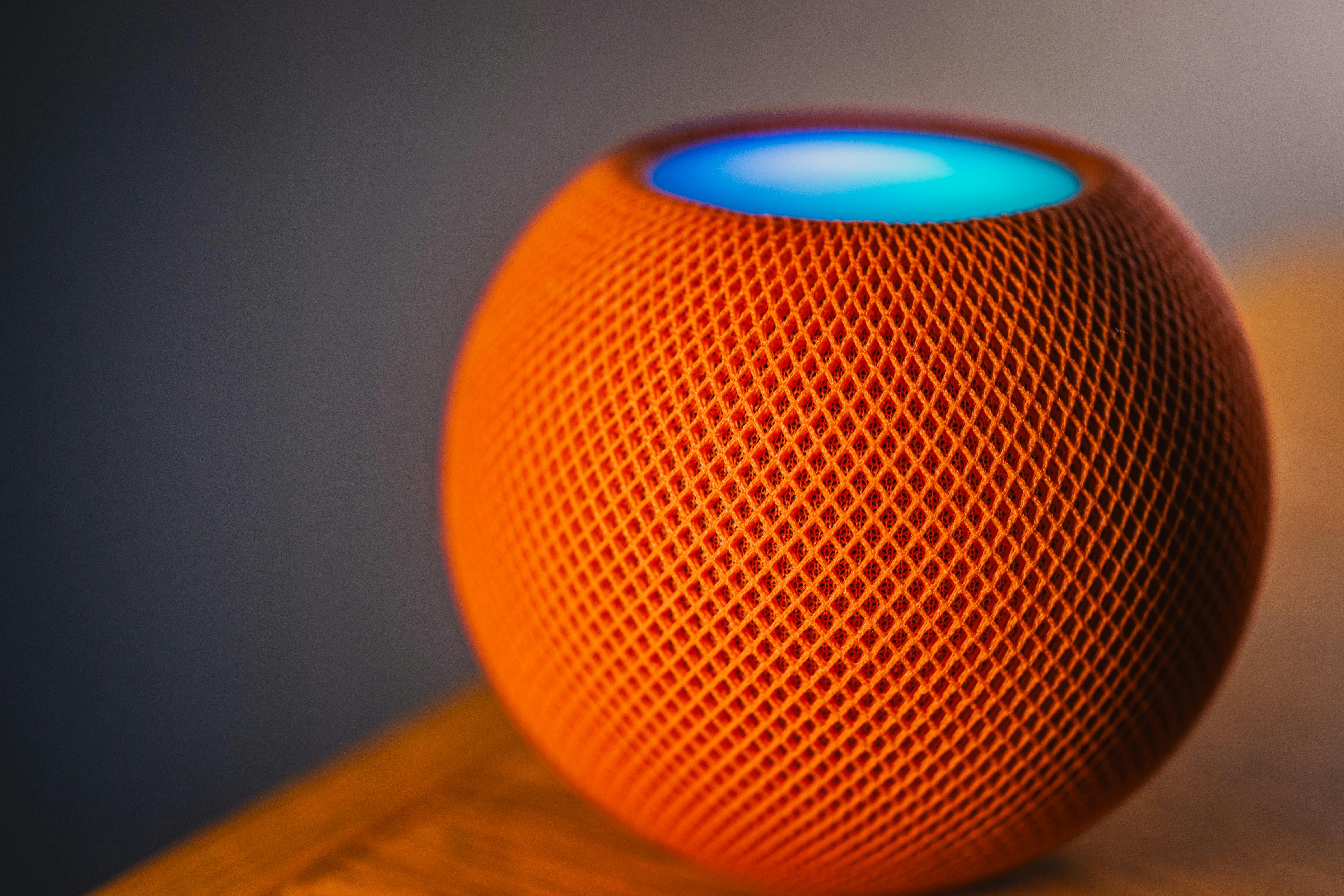
In 2026, the smart home isn't just reacting to commands; it's anticipating your every need. Discover how AI-powered smart home hubs are transforming residences into intelligent, personalized sanctuaries, offering unparalleled comfort, security, and significant energy savings. We dive into the best AI ecosystems, compare top products like Google's Ambient Intelligence Hub, Amazon's Alexa Pro, and Apple Home's Neural Engine, and reveal how to maximize your investment for a truly future-proof home.
Introduction to the Topic
Welcome to 2026, where the smart home has evolved far beyond simple voice commands and basic automation. Forget merely turning lights on or off; today's residences are living, breathing entities, powered by sophisticated Artificial Intelligence (AI) that anticipates your every desire, optimizes your environment, and proactively manages your household. This isn't science fiction anymore; it's the reality of AI-powered smart home hubs, the central nervous systems that are redefining convenience, security, and energy efficiency. At techeology.com, we've been tracking this revolution, and the shift from reactive to predictive smart living is the most exciting development of the decade. Your home is no longer just a collection of smart devices; it's an intelligent partner, learning your routines, understanding your preferences, and making autonomous decisions to enhance your quality of life and save you money. Are you ready to upgrade to a home that thinks for itself? Let's explore how.
Backgrounds & Facts
The journey to the AI-powered smart home began with rudimentary automation, like timers and motion sensors. The early 2020s saw the rise of voice assistants – Alexa, Google Assistant, Siri – bringing a new level of interaction. However, the true leap occurred around 2024-2025 with the widespread integration of advanced machine learning (ML) and predictive analytics into central smart home hubs. These hubs, often disguised as sleek smart displays or speakers, now house powerful processors and sophisticated algorithms capable of processing vast amounts of data from interconnected devices, sensors, and even external sources like weather forecasts and traffic updates.
Key technological advancements driving this transformation include:
- Edge AI Processing: More processing power directly on the device, reducing reliance on cloud computing for faster, more private decision-making.
- Matter 2.0 Protocol: The latest iteration of the Matter standard has truly standardized interoperability, allowing devices from different manufacturers to communicate seamlessly, feeding richer data to the central AI hub. This has been a game-changer for ecosystem flexibility.
- Advanced Sensor Fusion: Combining data from various sensors (temperature, humidity, motion, air quality, light, sound, even bio-data from wearables) to create a comprehensive understanding of the home environment and its occupants.
- Generative AI for Personalization: Beyond simple rules, generative AI models can create entirely new routines and suggestions based on observed patterns, adapting to changing lifestyles and preferences.
- Biometric Integration: Facial recognition, gait analysis, and even heart rate monitoring from proximity sensors allow for hyper-personalized experiences, automatically adjusting settings for specific individuals entering a room.
According to recent industry reports, the global smart home market, driven by AI integration, is projected to reach over $250 billion by 2028, with a significant portion of growth attributed to subscription services for advanced AI features and proactive maintenance. Consumers are no longer just buying devices; they are investing in intelligent living experiences.
Expert Opinion / Analysis
"The smart home in 2026 isn't just smart; it's sentient in its own way," explains Dr. Anya Sharma, a leading AI ethicist and smart home technology consultant. "These systems learn your morning coffee preference, the exact lighting you like for reading, and even when you're likely to forget to lock the door. They're moving from being tools to being companions."
The benefits are profound. Imagine a home that:
- Optimizes Energy Use: Predictive heating/cooling based on occupancy, weather, and even your commute, slashing utility bills. Smart blinds adjust to minimize solar gain or maximize natural light.
- Enhances Security: AI-powered cameras distinguish between family, pets, and intruders, identifying suspicious activity before it becomes a threat and alerting you with rich context. It can even simulate occupancy when you're away.
- Boosts Comfort & Wellness: Air purifiers activate when pollen counts are high, bedroom lighting gently wakes you with simulated sunrise, and your favorite music subtly plays as you enter a room.
- Streamlines Daily Tasks: Your smart pantry can reorder groceries, the robot vacuum knows when to clean based on foot traffic, and your smart laundry machine can sense fabric types to optimize wash cycles.
However, this intelligence comes with its own set of challenges. "Privacy and data security are paramount," cautions Mark Jensen, CEO of HomeGuard AI Solutions. "As these systems gather more intimate data about our lives, robust encryption, on-device processing, and clear consent policies are non-negotiable. Consumers must be vigilant about what data is collected and how it's used." The industry is responding with stricter data governance, but users must still choose reputable brands and understand their privacy settings. The balance between hyper-personalization and data protection remains a critical discussion point, with many experts advocating for a 'privacy-by-design' approach in all new smart home technologies.
💰 Best Options in Comparison (VERY IMPORTANT)
Choosing the right AI-powered smart home hub in 2026 means investing in an ecosystem. The best options offer seamless integration, robust AI capabilities, and a commitment to future-proofing. Here are the top contenders:
-
Google's Ambient Intelligence Hub (e.g., Nest Hub Max 2026 Edition)
Google has pushed its "Ambient Computing" vision to new heights. The 2026 Nest Hub Max, powered by a dedicated Tensor AI chip, is more than just a smart display; it's a predictive home manager. It excels at understanding context, learning routines based on your calendar, location, and even biometrics (via its enhanced camera and radar sensors). Its AI proactively suggests energy-saving adjustments, personalized media recommendations, and even reminds you of upcoming appointments, integrating deeply with Google Calendar, Maps, and Assistant. Expect seamless integration with a vast array of Matter-compatible devices and Google's own Nest ecosystem. Ideal for users deeply embedded in the Google ecosystem seeking proactive, intuitive assistance.
-
Amazon's Alexa Pro Hub (e.g., Echo Show 2026 Edition)
Amazon's Alexa Pro, often manifested in the latest Echo Show devices, leverages an expanded array of sensors and a more sophisticated AI engine, 'Alexa Brain 3.0', to deliver unparalleled voice control and contextual awareness. It offers advanced anomaly detection for security, personalized routines that adapt to your mood (detected via subtle voice inflections or environmental cues), and a robust marketplace for AI skills. Amazon has also introduced 'Alexa Guard Plus' – a subscription service that uses advanced AI to detect specific sounds (like glass breaking, water leaks) and offers direct connection to professional monitoring. Its strength lies in its expansive device compatibility and evolving subscription models for premium AI features. Best for those who prioritize voice interaction, vast device choice, and optional professional monitoring services.
-
Apple Home with Neural Engine (e.g., HomePod Max 2026)
Apple continues to prioritize privacy and seamless integration within its ecosystem. The 2026 HomePod Max, equipped with Apple's latest Neural Engine, processes most AI tasks on-device, ensuring superior data privacy. HomeKit Secure Video leverages advanced AI for on-device facial recognition and package detection, while the Home app offers highly customizable, AI-driven automation based on presence, time, and environmental conditions. Siri's contextual awareness has significantly improved, understanding complex multi-step commands. While its device compatibility might be slightly narrower than its competitors (though Matter 2.0 has bridged many gaps), its focus on security, privacy, and effortless integration for iPhone, iPad, and Mac users remains unmatched. Perfect for Apple loyalists who value privacy and a tightly integrated, secure experience.
-
Samsung SmartThings AI Core (e.g., SmartThings Hub V4)
Samsung's SmartThings AI Core, often integrated into their latest SmartThings Hub and premium QLED TVs, offers a highly versatile platform, particularly for homes with numerous Samsung appliances. Bixby's AI capabilities have matured, providing intelligent control over a vast ecosystem of devices, from refrigerators to washing machines, all connected through the SmartThings app. Its AI excels at orchestrating complex routines involving multiple devices and learning user preferences across different rooms. The latest iteration focuses on predictive maintenance for connected appliances and enhanced energy management features, especially when paired with Samsung's SmartThings Energy. Ideal for users with a significant investment in Samsung appliances and a desire for broad device compatibility.
To help you decide, here's a comparative overview:
| Feature | Google Ambient Intelligence Hub | Amazon Alexa Pro Hub | Apple Home with Neural Engine | Samsung SmartThings AI Core |
|---|---|---|---|---|
| Core AI Strength | Predictive routines, contextual awareness, deep Google service integration. | Advanced voice control, anomaly detection, expansive skill marketplace. | On-device processing, privacy-focused, robust security (HomeKit Secure Video). | Appliance integration, broad device compatibility, predictive maintenance. |
| Primary Interface | Smart Display (Nest Hub Max), Voice, App | Smart Display (Echo Show), Voice, App | Voice (HomePod Max), App (Home App) | App (SmartThings), Voice (Bixby), Smart Displays (Samsung TVs) |
| Ecosystem & Compatibility | Google Nest, Matter 2.0, extensive third-party. | Alexa, Matter 2.0, largest third-party device selection. | Apple HomeKit, Matter 2.0, tighter ecosystem. | Samsung Appliances, Matter 2.0, broad third-party. |
| Privacy & Security | Strong, with user controls for data sharing. Mix of cloud/edge AI. | Good, with growing focus on data controls. Mix of cloud/edge AI. | Excellent, strong emphasis on on-device processing and data encryption. | Good, with ongoing improvements to data handling and security. |
| Cost (Hub/Base) | Mid-to-High range. | Mid-to-High range. | High range. | Mid range. |
| Unique AI Feature | Proactive suggestions based on personal calendar/location. | AI-powered mood detection, 'Alexa Guard Plus' for advanced security. | On-device facial recognition for personalized greetings/access. | Predictive maintenance for Samsung appliances. |
When considering your purchase, remember that many of these platforms offer optional premium subscription services for enhanced AI features, professional monitoring, or extended cloud storage. These services can significantly boost your smart home's capabilities and are worth exploring for maximum ROI.
Outlook & Trends
The future of AI in smart homes is boundless. We anticipate:
- Hyper-Personalization 2.0: Homes that adapt not just to routines, but to emotional states, health metrics (via seamless integration with wearables and smart health devices), and even cognitive load, creating environments optimized for focus, relaxation, or productivity.
- Proactive Wellness & Health Monitoring: AI hubs will integrate more deeply with medical devices, providing early warnings for health issues, managing medication reminders, and even connecting to telehealth services.
- AI-Powered Home Repairs & Maintenance: Diagnostic AI will predict equipment failures before they happen, automatically scheduling service appointments with approved technicians.
- Enhanced Security with Drone Integration: Autonomous home drones, integrated with the AI hub, could provide perimeter surveillance, package delivery monitoring, and even assist in emergency situations.
- Ethical AI & Transparency: Greater emphasis on explainable AI (XAI) will allow users to understand *why* their smart home made a particular decision, fostering trust and control. Robust regulatory frameworks around data privacy will continue to evolve.
- Smart Home as a Service (SHaaS): Professional installation, configuration, and ongoing AI optimization services will become increasingly popular, offering a hassle-free, fully managed smart home experience.
The convergence of AI, IoT, and advanced sensor technology promises a future where our homes are not just structures, but intelligent partners in our daily lives.
Conclusion
The AI-powered smart home of 2026 is a testament to technological innovation, offering unprecedented levels of comfort, security, and efficiency. Moving beyond simple automation, these intelligent hubs are learning, adapting, and anticipating your needs, transforming your living space into a truly personalized sanctuary. While the initial investment might seem substantial, the long-term savings on energy bills, enhanced security, and invaluable convenience offer a compelling return on investment. Whether you're an Apple loyalist, a Google enthusiast, an Amazon devotee, or a Samsung aficionado, there's an AI smart home ecosystem ready to elevate your living experience. Now is the time to embrace the future of living. Evaluate your current ecosystem, consider your privacy needs, and explore the top options we've compared. Your home is ready to think for itself – are you ready to let it?